
Hair Transplant Growth Timeline: A 12-Month Journey from Surgery to Final Results
Home » What To Expect Next 12 Month – Case 4
The full aesthetic result of a hair transplant takes approximately 12 months to mature. The process follows a predictable biological timeline of healing, shedding, and regrowth. While variations exist, the majority of patients will see their final, natural-looking density and coverage by the one-year mark.

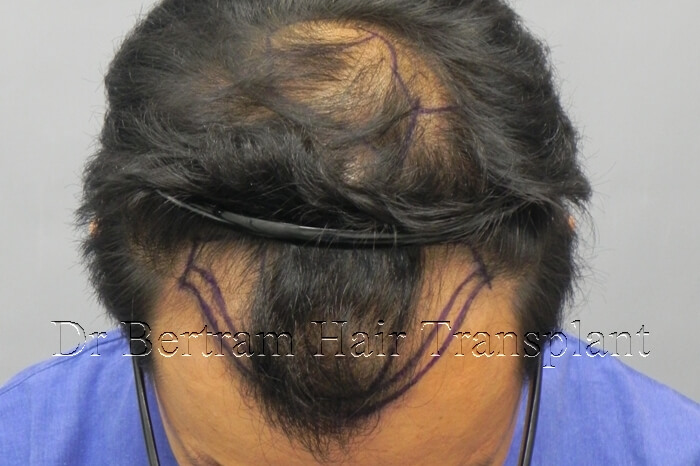
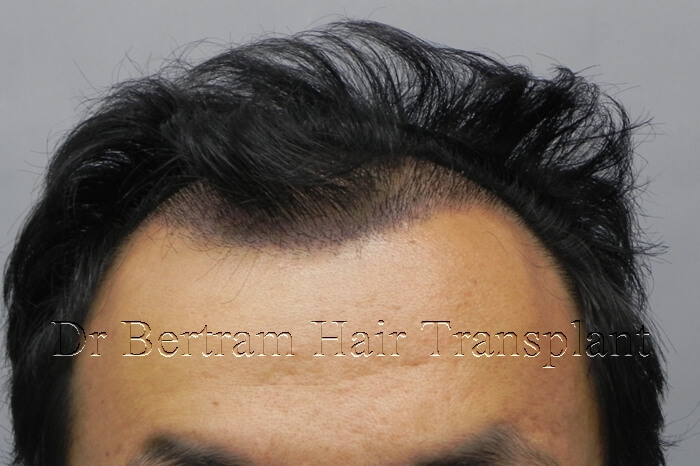
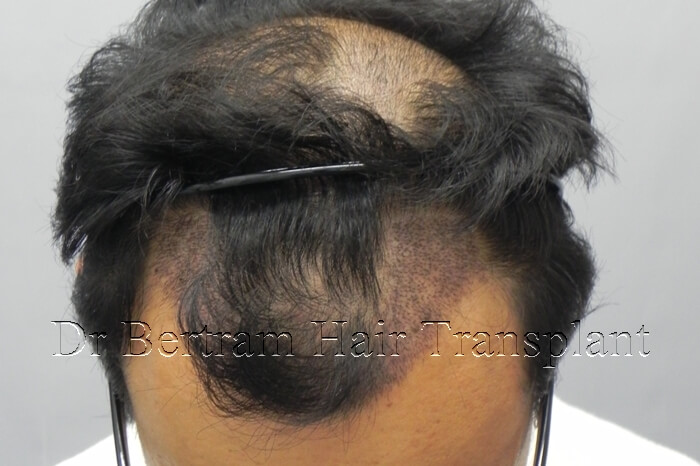
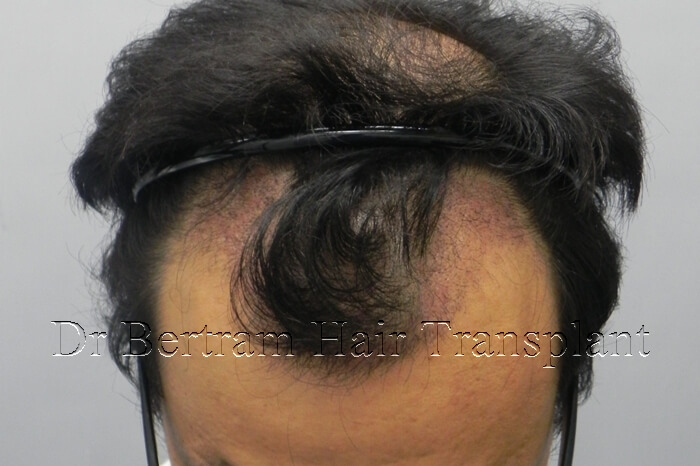
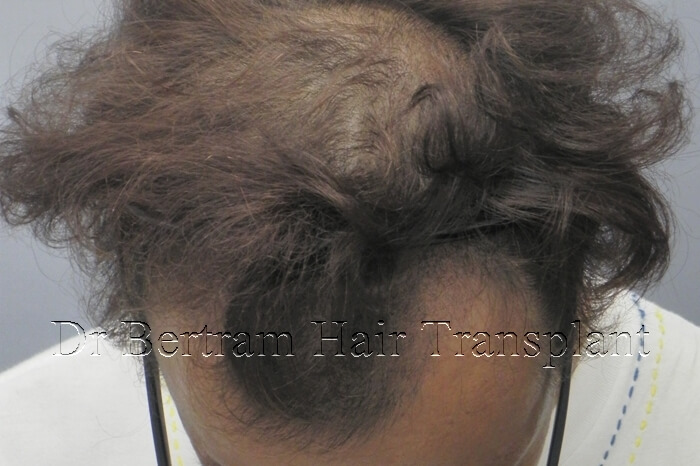
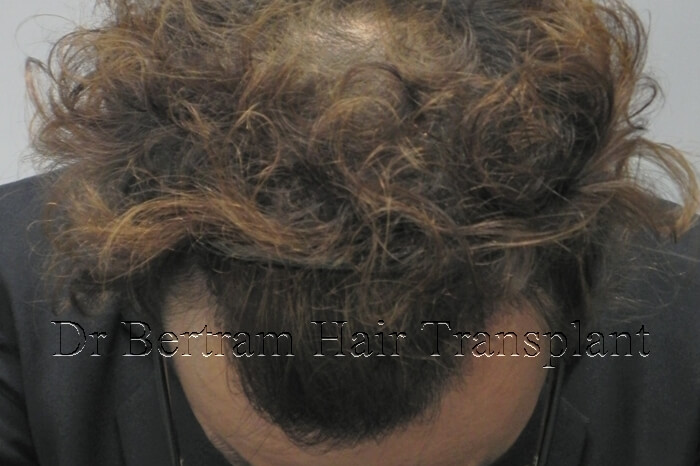
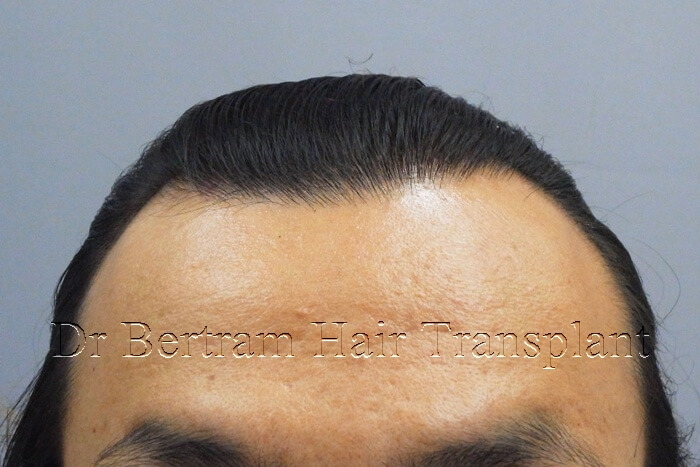
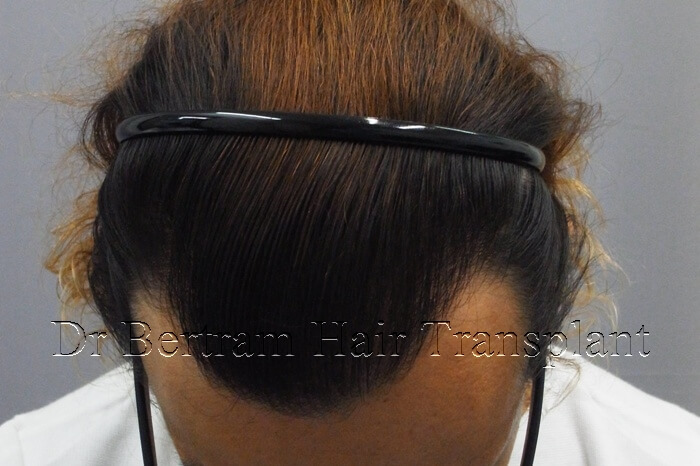
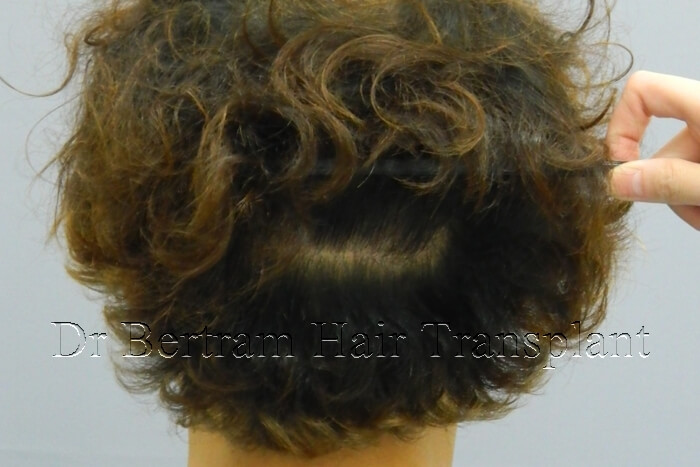
A hair transplant is a process, not an instant result. This case study of a 30-year-old man illustrates the typical 12-month journey, where the final, mature outcome is only visible after one year. While most patients (≈95%) experience steady, uneventful growth, individual timelines can vary based on graft survival, hair characteristics, and physiology. Understanding this timeline is crucial for setting realistic expectations and reducing post-operative anxiety.
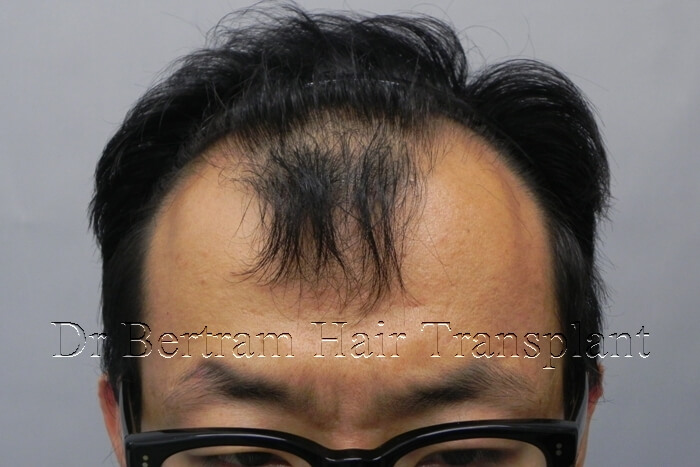
The initial weeks focus on healing and protection of the newly implanted grafts.
Days 1-10: The recipient area will be tender with some scabbing. Donor area stitches or punctures heal. Crucially, implanted grafts secure themselves.
Week 2-3: Scabs fall off naturally. Some transplanted hairs may begin to shed—this is normal and expected.
Month 1: Healing is largely complete. Most patients experience the “ugly duckling” phase where shed hairs leave the scalp looking similar to its pre-op state.
The shedding and regrowth phase is often the most psychologically challenging part of the journey.
The Shedding Phase (1-8 Weeks): Nearly all transplanted hairs will shed. This is a normal part of the follicle entering a new resting phase before regenerating.
The Dormant Phase (Months 1-3): The scalp may appear unchanged. Beneath the surface, follicles are metabolically active, preparing for growth.
Early Regrowth (Months 3-5): Fine, new hairs begin to emerge. Initial growth is often thin, colorless, and may grow asynchronously.
The six-month point represents a major milestone where the transformation becomes visibly apparent.
Visible Coverage: New hairs are thicker, pigmented, and provide clear coverage and definition, especially in the hairline.
Accelerated Growth: Hair enters a rapid growth phase, gaining length and density.
Psychological Relief: Patients typically feel significant reassurance as the results become tangible.
The final quarter of the first year is dedicated to maturing and thickening for a natural finish.
Months 9-10: Density increases significantly. Hair texture continues to coarsen and blend with native hair.
Month 12: Results are considered mature and stable. Graft survival is finalized, hair calibre is normal, and style flexibility returns. About 95% of patients achieve their core aesthetic goal at this stage.
While the case study illustrates a typical journey, several factors can influence the pace or final outcome.
Donor Hair Characteristics: Coarse, dark hair may show results earlier than very fine, light hair.
Individual Physiology: Personal healing response, age, and metabolic factors play a role.
Graft Survival Rate: While high survival is expected, individual variation can affect final density.
Patient Compliance: Following post-operative care instructions on washing, activity, and avoiding trauma protects the grafted follicles during the critical initial phase.
Results Take 12 Months: The final, mature outcome of a hair transplant is typically only visible at the 12-month mark. Patience is essential.
Shedding is Normal and Necessary: The loss of transplanted hairs in the first two months is a standard part of the growth cycle, not a sign of graft failure.
Growth is Gradual & Asynchronous: Hairs do not all grow at once. Early regrowth (3-5 months) is fine and sparse, thickening significantly between 6-12 months.
The “Ugly Duckling” Phase is Temporary: The period where the scalp appears thin or unchanged after shedding is a normal, temporary stage on the path to full growth.
Most Patients Have a Positive, Uneventful Journey: Approximately 95% of patients progress steadily through this timeline to achieve a natural-looking, satisfactory result.
Understanding the timeline is key to confidence. View our complete portfolio of 12-month patient journeys and results to see the full progression from surgery to final outcome. If you are considering a procedure, this will help you visualize the process and set accurate expectations for your own potential transformation.
Individual results and growth timelines will vary. This case study represents a typical outcome but is not a guarantee. All hair transplant procedures carry inherent risks.
Images & Information shown are for reference only
Information on this website is provided for general educational purposes only and does not constitute personalized medical advice. It is not intended to promote our service or imply superiority over another.
Individual results in hair restoration vary significantly and no outcome can be guaranteed. The before-and-after images shown represent possible results — not promises. We recommend seeking independent medical advice to discuss your options … Read More
Pre-Consultation Review
If you want to get a personalized answer from our medical team, you can reach us using this form here. We will cantact you as soon as possible.
Our practice adheres to guidelines established by leading international organizations in Hair Restoration.
International Society of Hair Restoration Surgery is the leading global medical association that establishes international practice standards and patient safety protocols.
The American Board of Hair restoration Surgery represents the highest standard. To maintain rigorous certification requirements the physician must demonstrate surgical expertise.
Worls FUE InstituteI serves as the premier educational body focused exclusively on Follicular Unit Extraction methodology. The institute ensures consistent application of safe FUE.