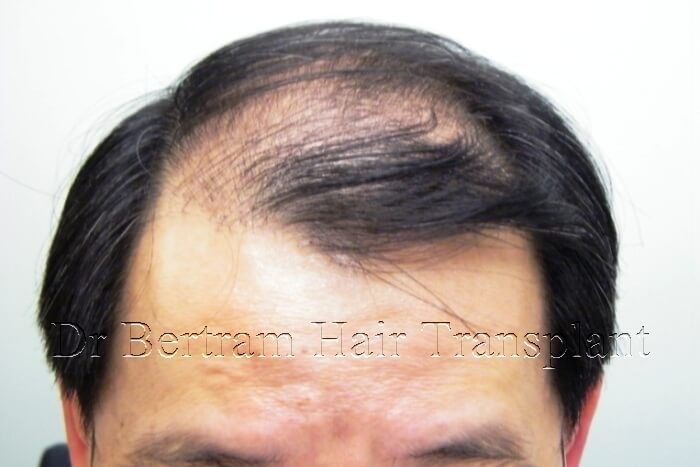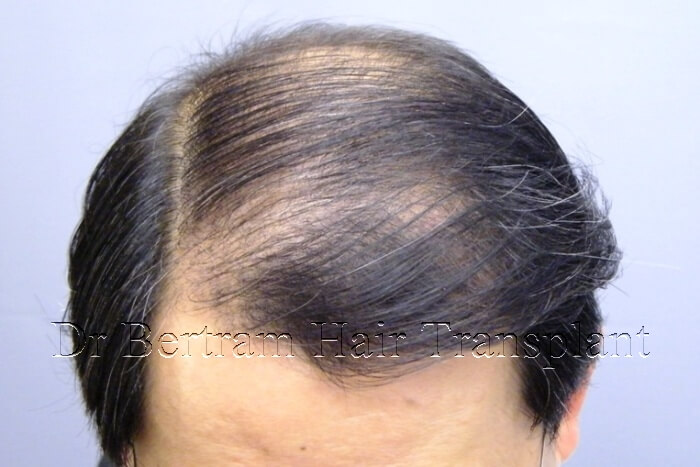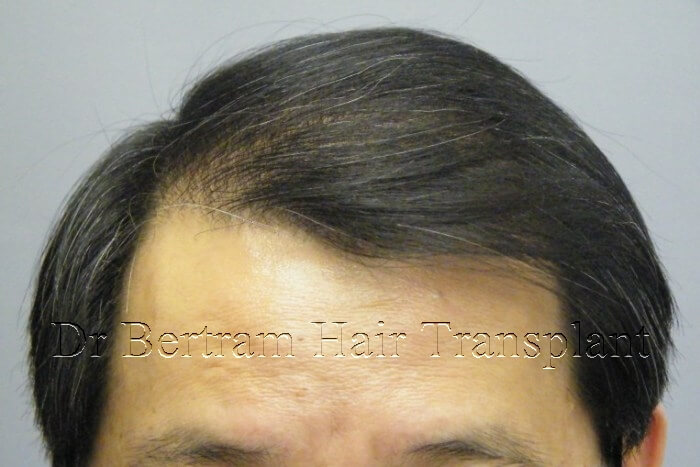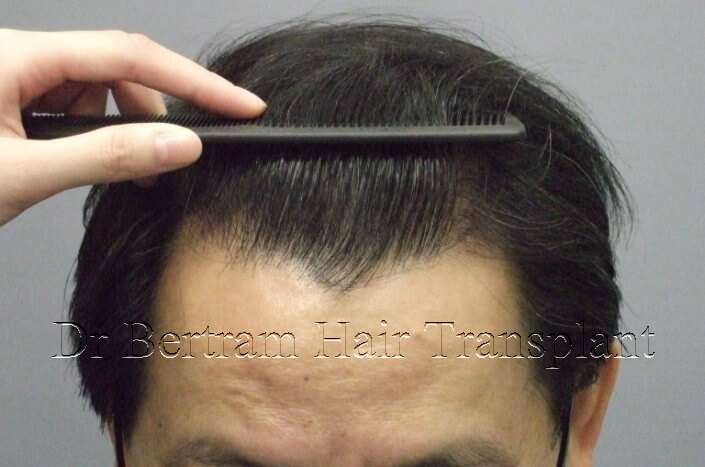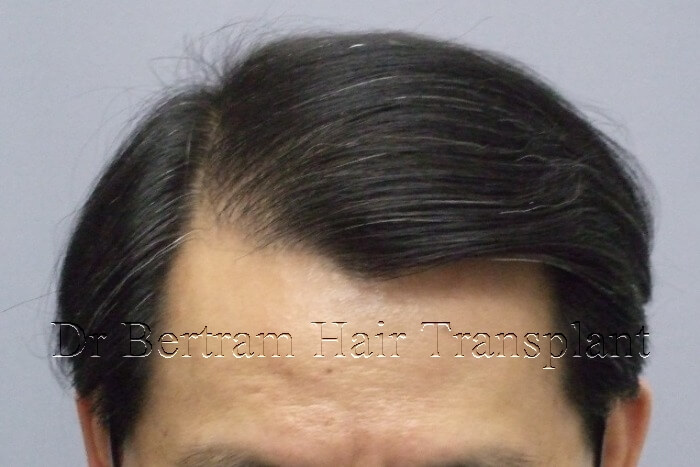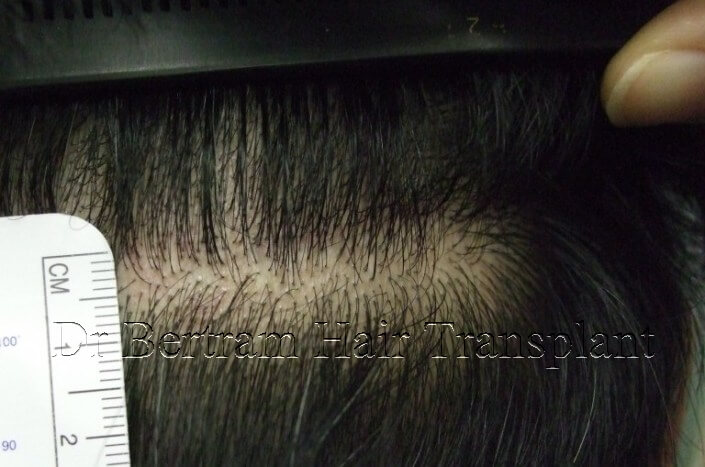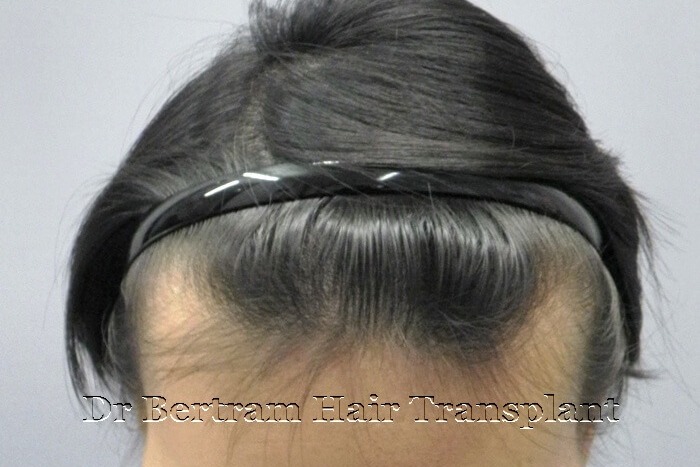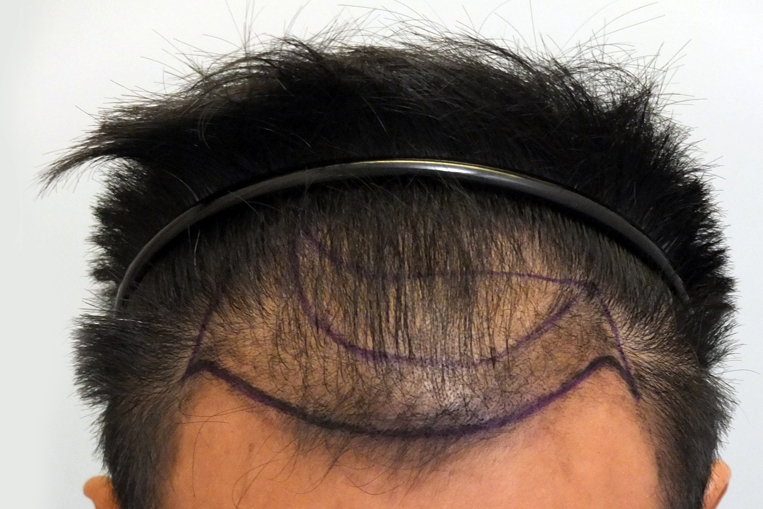

The real change in appearance takes place in the next 12 months.
Home » What To Expect Next 12 Month

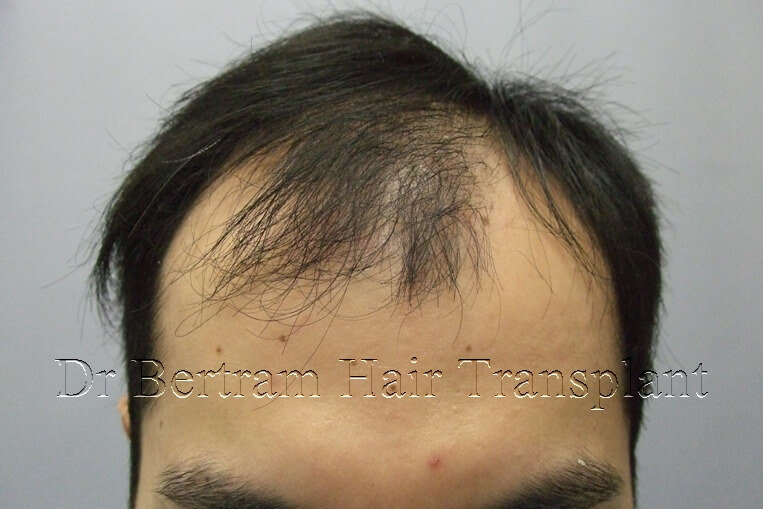
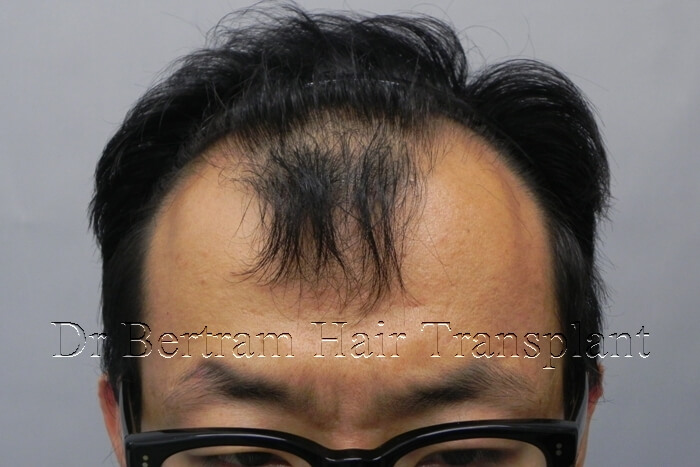
A hair transplant is a process, not an instant result. This case study of a 30-year-old man illustrates the typical 12-month journey, where the final, mature outcome is only visible after one year. While most patients (≈95%) experience steady, uneventful growth, individual timelines can vary based on graft survival, hair characteristics, and physiology. Understanding this timeline is crucial for setting realistic expectations and reducing post-operative anxiety.
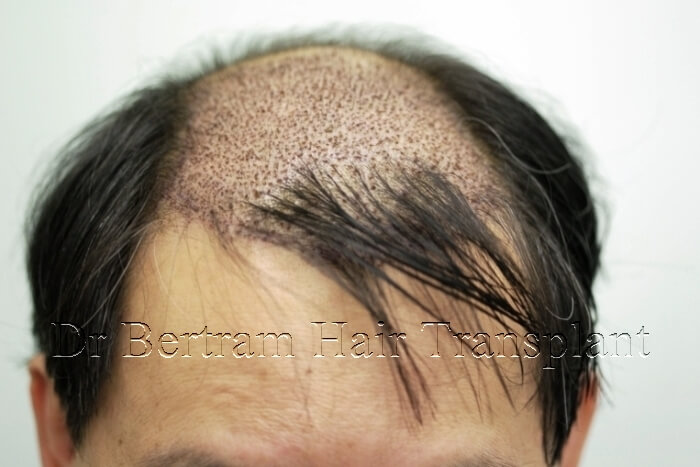
The immediate focus is on healing, graft stabilization, and managing common side effects.
Days 1-3: The scalp will be tender. Swelling on the forehead/eyes is common but can be minimized with proper head elevation and band use. The donor area (FUT strip or FUE points) will feel tight.
Days 5-7: Sutures (if FUT) are typically removed. Small scabs form around transplanted grafts. It is critical not to pick or scratch.
Key Milestone: By day 10, grafts are securely anchored. Gentle washing can begin to help scabs loosen naturally.
In the first month after your hair transplant, you might notice some shedding of the transplanted hair, a phenomenon known as “shock loss.” This is completely normal and indicates that the hair follicles are settling into their new environment.
During this time, the scalp continues to heal, and it’s essential to avoid touching the grafts or using harsh hair products. Gentle washing and adherence to prescribed medications are crucial for ensuring a smooth recovery.
By the third month, visible hair growth may still be minimal, leading some patients to feel concerned about the progress. This period can be challenging, but it is important to remain patient as the transplanted follicles are in the process of establishing themselves.
The early stages of new hair growth are often not yet apparent, but the foundation for future growth is being laid. A positive mindset and a healthy diet can support the ongoing development of the hair follicles during this waiting period.
Around the fifth month, you’ll begin to see the early signs of new hair growth. These new hairs may initially appear fine and thin, but this is just the beginning. The hairs will gradually thicken as they continue to grow, providing the first visible signs of progress.
This stage marks an exciting turning point, as the transplanted hair starts to blend more naturally with your existing hair, giving you a glimpse of the final results to come.
By the seventh month, significant improvements in hair density and texture become noticeable. The new hair will become more robust and begin to fill in the previously thinning or balding areas, contributing to a fuller appearance.
This is a time to start considering styling options that suit your new look, as the hair is now strong enough to handle gentle grooming and regular trims. The transformation becomes more apparent, offering a boost in confidence and satisfaction.
At the nine-month, the transplanted hair continues to improve in both thickness and density. The new growth is now blending seamlessly with the existing hair, providing a natural and fuller appearance.
This stage represents a significant milestone in the hair restoration journey, as the results are becoming more defined and substantial. Regular hair care routines and trims will help maintain the health and appearance of your hair as you approach the final phase.
By the twelfth month, the full results of your hair transplant should be evident. The new hair will have grown in thick and dense, giving you a natural, satisfying appearance that blends seamlessly with your existing hair. Maintaining a healthy lifestyle and continuing regular follow-ups with your surgeon will help ensure that the results are long-lasting and continue to meet your expectations.
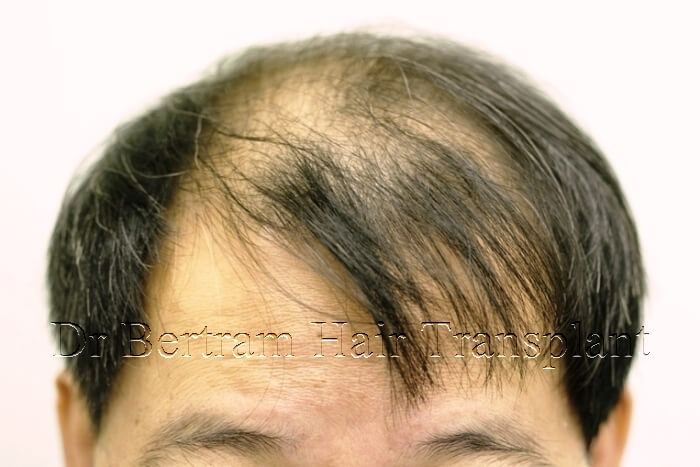
The following demo case illustrates typical outcomes at the one-year milestone. Scalp hair transplant results unfold over time, not overnight. This period is where the visual transformation becomes significant and rewarding.
Month 5-6: New hairs become more visible, providing initial coverage and definition. The hairline begins to take shape.
Months 7-9: Hair enters a rapid growth phase, thickening in calibre and gaining pigment. Density improves markedly, and styling becomes possible.
Months 10-12: Growth matures and stabilizes. By month 12, results are considered full and final for the vast majority (≈95%) of patients, with natural density and texture.
Shedding is a normal, expected phase that confuses many patients.
The Shedding Phase (Weeks 1-12): Most transplanted hairs will fall out. This is not graft failure but a process called anagen effluvium or telogen effluvium, where the hair shaft is shed as the follicle enters a new resting phase.
The “Ugly Duckling” Phase (Months 1-3): The scalp may look similar to pre-surgery. This is a temporary, normal stage that requires psychological patience.
Early Regrowth (Months 3-5): New, fine hairs begin to emerge sporadically. Growth is initially thin and colorless but marks the start of visible progress.
Temporary side effects are part of the healing process.
Redness (Erythema): Fades significantly within 2-4 weeks but can persist longer in fair-skinned individuals.
Swelling: Typically resolves within the first week.
Numbness/Tightness: In the donor or recipient areas; usually subsides over several weeks.
Shock Loss: Temporary shedding of existing weak native hairs around the transplanted area. Usually temporary.
Your actions directly impact graft survival and outcomes.
Protect Grafts: Avoid touching, scratching, or sun exposure on the recipient area for the first two weeks.
Follow Washing Protocol: Use recommended products and gentle technique to keep the area clean and aid scab removal.
Avoid Strenuous Activity: For at least 2 weeks to prevent bleeding, swelling, and elevated blood pressure.
Attend Follow-Ups: Essential for monitoring healing and addressing any concerns promptly.
Take Prescribed Medications: This may include antibiotics to prevent infection or medications to minimize swelling.
No Immediate Results: The final aesthetic outcome takes ~12 months to fully mature. Patience is non-negotiable.
Shedding is Normal & Necessary: The loss of transplanted hairs in the first few weeks is a standard sign of follicular health, not failure. The “ugly duckling” phase is temporary.
Growth Follows a Phased Timeline: Visible improvement begins at 3-5 months, significant density is seen by 6-9 months, and final results are evident at 12 months.
Post-Op Care is Part of the Treatment: Following wound care, washing, and activity restrictions is critical for graft survival and optimal results.
Side Effects are Temporary: Swelling, redness, and numbness are common but resolve within the first few weeks of recovery.
Understanding this journey reduces anxiety and sets the stage for a successful outcome. Before your procedure, review our detailed pre- and post-operative guides and view real patient month-by-month galleries. If you have further questions about the recovery timeline, discuss them during your final pre-op consultation.
Individual healing and growth timelines may vary. This information outlines typical expectations and is not a guarantee. Adherence to your surgeon’s specific post-operative instructions is paramount. All surgical procedures carry inherent risks.
Images & Information shown are for reference only
Information on this website is provided for general educational purposes only and does not constitute personalized medical advice. It is not intended to promote our service or imply superiority over another.
Individual results in hair restoration vary significantly and no outcome can be guaranteed. The before-and-after images shown represent possible results — not promises. We recommend seeking independent medical advice to discuss your options … Read More
Pre-Consultation Review
If you want to get a personalized answer from our medical team, you can reach us using this form here. We will cantact you as soon as possible.
Our practice adheres to guidelines established by leading international organizations in Hair Restoration.
International Society of Hair Restoration Surgery is the leading global medical association that establishes international practice standards and patient safety protocols.
The American Board of Hair restoration Surgery represents the highest standard. To maintain rigorous certification requirements the physician must demonstrate surgical expertise.
Worls FUE InstituteI serves as the premier educational body focused exclusively on Follicular Unit Extraction methodology. The institute ensures consistent application of safe FUE.