
Our Innovation – Postop Folliculitis Prevention

A Protocol to Avoid Unnecessary Antibiotics

20 Years of Expertise : Every Step Performed in Hong Kong By Doctors

Is folliculitis after a hair transplant a sign of infection?

In most cases, no. True bacterial infections are rare. The majority of post-op folliculitis is either an inflammatory response to surgical trauma or a foreign-body reaction to hair fragments, not an infection requiring antibiotics. Misdiagnosis leads to unnecessary antibiotic use, which carries its own risks without addressing the root cause.

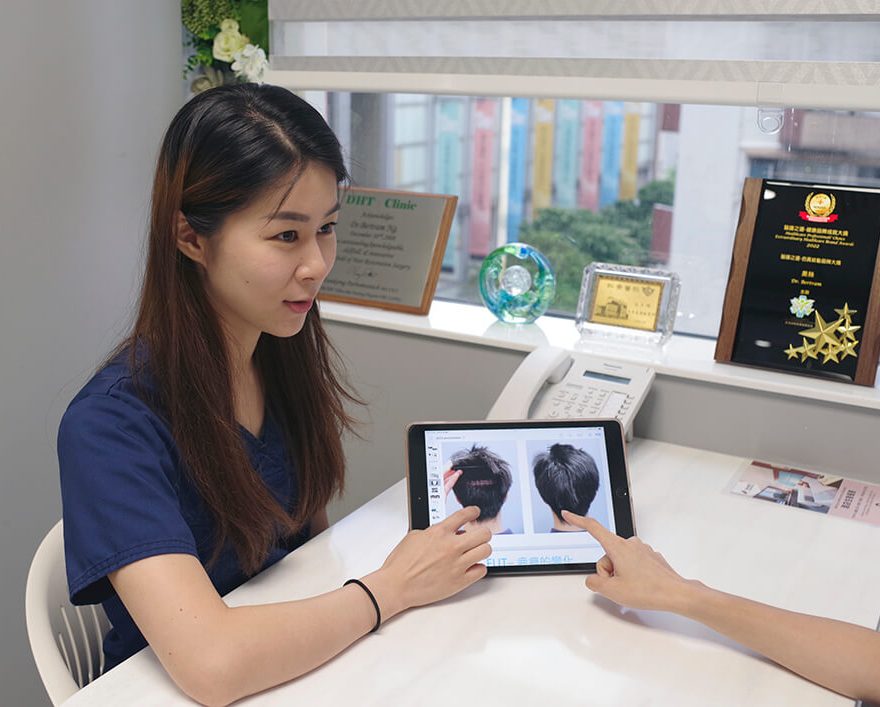
Sara’s Comment

Post-operative folliculitis—small, inflamed bumps on the scalp—is a common but often misunderstood healing response after a hair transplant. Our clinical research, published in the ISHRS Forum, shows that most cases are inflammatory or foreign-body reactions, not true infections. Our targeted prevention protocol, including precise surgical technique and a short course of anti-inflammatory medication, has drastically reduced its incidence, eliminating the need for routine prophylactic antibiotics in most patients.
Content-index

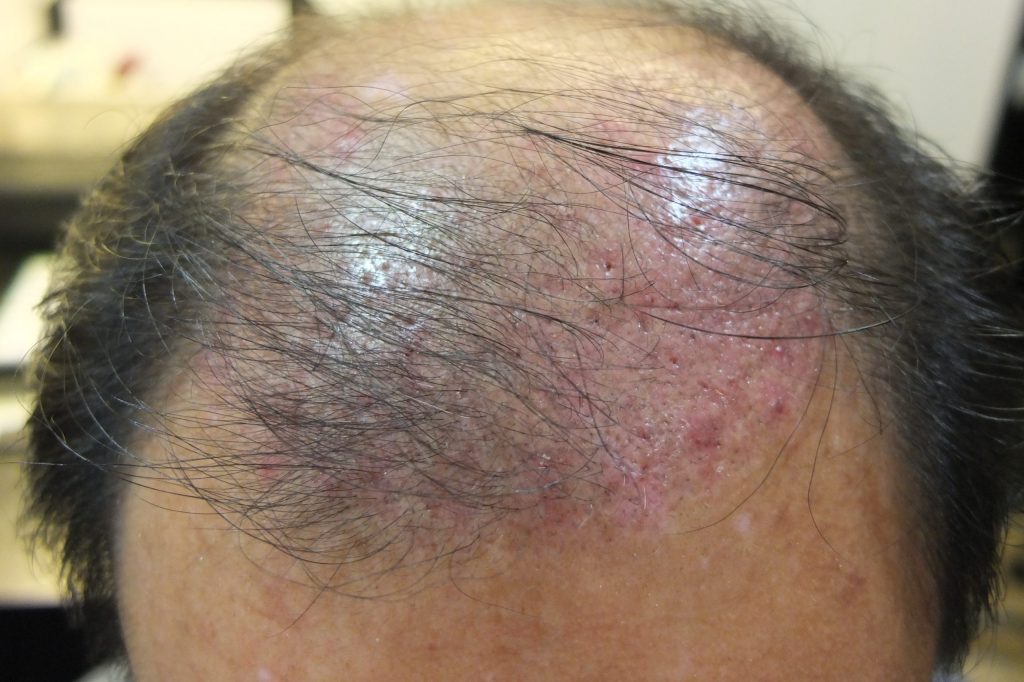
Fig. 1 Traumatic Folliculitis at Day 18
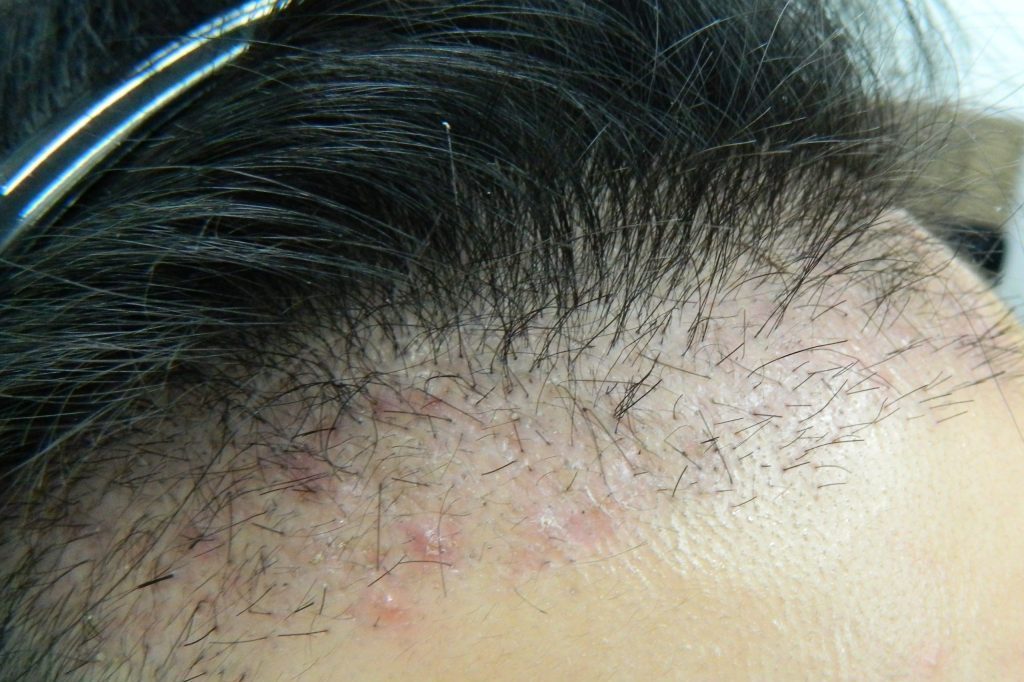
Fig.2 Foreign Body Folliculitis at 4 weeks
7
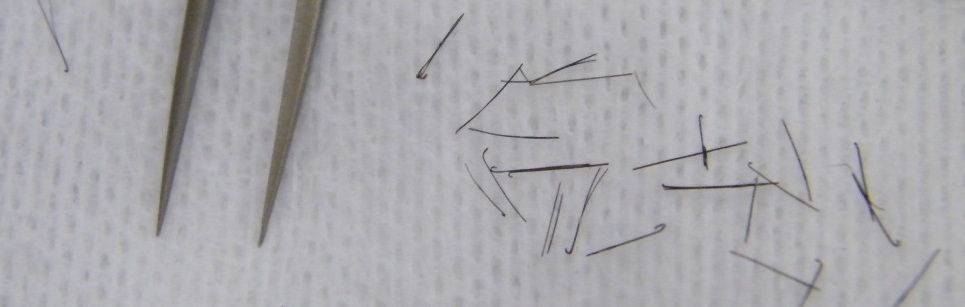
Fig.3 The J Hair

What causes folliculitis after a transplant, and how is it classified?

Based on our published research, we classify recipient-site folliculitis into three distinct types by cause and timing:

  1. Traumatic Folliculitis (Early Onset: Days 1-7): An inflammatory response triggered by surgical trauma, released sebum, or buried skin fragments during graft placement. Common in patients with oily skin or seborrheic dermatitis.

  2. Foreign-Body Folliculitis (Delayed Onset: Weeks 1-12): A reaction caused by dislodged hair fragments from transplanted follicles being perceived as foreign material by the immune system. More common with coarse hair and dense packing.

  3. Infective Folliculitis (Variable Onset): A true bacterial infection. This is uncommon and typically only occurs with significant barrier breakdown, poor hygiene, or underlying health conditions.

What is your protocol for preventing folliculitis?

Our prevention strategy is proactive and multi-layered, focusing on minimizing inflammation.

  • Refined Surgical Technique: Meticulous graft preparation and placement to reduce trauma and avoid burying epithelial fragments.

  • Targeted Pre-Op Preparation: For high-risk patients (oily skin, acne), we may recommend pre-operative anti-inflammatory medication (e.g., doxycycline) and medicated shampoo.

  • Post-Op Anti-Inflammatory Protocol: A key component is a short, tapering course of oral corticosteroids (e.g., Prednisolone) immediately after surgery. This significantly reduces general inflammation and has markedly decreased our folliculitis incidence.

  • No Routine Prophylactic Antibiotics: We do not prescribe antibiotics “just in case,” as they do not prevent inflammatory folliculitis and contribute to antibiotic resistance and patient risk.

How is folliculitis treated if it occurs?

Treatment is specific to the type diagnosed, emphasizing minimally invasive intervention first.

  • For Inflammatory (Traumatic) Folliculitis: Careful drainage of pustules, topical anti-inflammatory/antibiotic combinations, and continued medicated washing. Systemic antibiotics are rarely needed.

  • For Foreign-Body Folliculitis: The core treatment is gentle removal of the embedded hair fragment with tweezers, which provides immediate relief. Anti-inflammatory topical agents support resolution.

  • For True Infection: Requires culture and targeted systemic antibiotics. This is rare in our practice due to our prevention and hygiene protocols.

Why is it important to distinguish between inflammation and infection?

This distinction is central to ethical, effective care.

  • Avoids Patient Harm: Preventing the overuse of antibiotics spares patients potential side effects and allergic reactions.

  • Promotes Proper Healing: Correctly treating inflammation with anti-inflammatory measures (steroids, drainage) leads to faster, more comfortable resolution.

  • Upholds Medical Standards: It reflects an evidence-based, biologically accurate understanding of the healing process, moving beyond a one-size-fits-all drug prescription.

Key Takeaways

  • Most Folliculitis is Not an Infection: The majority of post-transplant bumps are inflammatory or foreign-body reactions, not bacterial infections.

  • Prevention is Protocol-Based: Our preventive strategy uses surgical precision and targeted anti-inflammatory medication (like short-course steroids) to significantly reduce occurrence.

  • Treatment is Cause-Specific: Effective management requires correct diagnosis—drainage and anti-inflammatories for trauma, hair fragment removal for foreign-body reactions, and antibiotics only for confirmed infection.

  • Routine Antibiotics Are Not the Answer: Prescribing prophylactic antibiotics for folliculitis is often ineffective and unnecessary, aligning with our commitment to minimizing patient risk and antibiotic resistance.

Concerned About Healing and Potential Complications?

A proper surgical plan includes managing the healing process. Discuss our folliculitis prevention protocol and our philosophy of minimizing unnecessary medication during your consultation. We will explain how our approach is designed to ensure not only great results but also a smooth, comfortable recovery.

References

  1. Nusbaum B, Nusbaum A: Recipient Area Complications. In: Unger, W.P. et. Al. Hair Transplantation, Fifth Edition, informa healthcare 2011, pp 423-424
  2. Marzola M, Vogel J: Complications. In: Haber R, Stough D, Hair Transplantation, Elsevier Saunders. pp 180
  3. Farjo. N, Infection control and policy development in hair restoration. Hair Transplant Forum Int’l. 2008: 18(6): Jul/August. 142-144
  4. Palakurthi K, Amonattana, Ng B, Pathomvanich D. A report of hospita-acquired Enterbacteria infection following hair transplant surgery, Hair Transplant Forum Int’l., 2009: 19(3): May/June. 91-93
  5. Meija R. Scalp dermatology for the hair restoration surgeon: folliculitis. Hair Transplant Forum Int’l. 2008: 18(1):183
  6. Ng B, Pathomvanich D, Laorwong K. Removal of undesired grafts 5 days after a hair transplant: How to do it. Hair Transplant Forum Int’l. 2008: 18(1): Sep/Oct. 180-181
  7. Bunagan M: Preoperative Approach to Preexisting Scalp Lesions. In: Pathomvanich D, Imagawa K: Hair Restoration Surgery in Asians, Springer2010, 33-36
  8. Hwang S, Imagawa K: Complications and the Solutions. In : Pathomvanich D, Imagawa K: Hair Restoration Surgery in Asians, Springer2010 255-257
  1. Shiell R: Poor Hair Growth after Hair Transplant: The X-Factor . In: Hair Transplant, Surgical and Medical, D. Stough, R. Haber. Mosby 1996, 314
36

MEDICAL - DISCLAIMERS

Images & Information shown are for reference only

Information on this website is provided for general educational purposes only and does not constitute personalized medical advice. It is not intended to promote our service or imply superiority over another.

Individual results in hair restoration vary significantly and no outcome can be guaranteed. The before-and-after images shown represent possible results — not promises. We recommend seeking independent medical advice to discuss your options … Read More

Paragraph

Pre-Consultation Review

Ensure You're a Good Candidate for hair transplant

Why pay for a consultation if you’re not a candidate? Start with our free WhatsApp assessment — the first step in our ‘No-Regret’ protocol to see if hair transplant is a realistic solution for your hair loss.

Still Have Questions ?

If you want to get a personalized answer from our medical team, you can reach us using this form here. We will cantact you as soon as possible.

Our Quality & Safety Standards

Our practice adheres to guidelines established by leading international organizations in Hair Restoration.

ISHRS

International Society of Hair Restoration Surgery is the leading global medical association that establishes international practice standards and patient safety protocols.

ABHRS

The American Board of Hair restoration Surgery represents the highest standard. To maintain rigorous certification requirements the physician must demonstrate surgical expertise.

WFI

Worls FUE InstituteI serves as the premier educational body focused exclusively on Follicular Unit Extraction methodology. The institute ensures consistent application of safe FUE.

This site is registered on wpml.org as a development site. Switch to a production site key to remove this banner.