
Our Innovation – Female Hairline Extension

Creating a Naturally Feminine Hairline by Following Your Hair’s Natural Flow

20 Years of Expertise : Every Step Performed in Hong Kong By Doctors

What is the difference between creating and restoring a hairline?

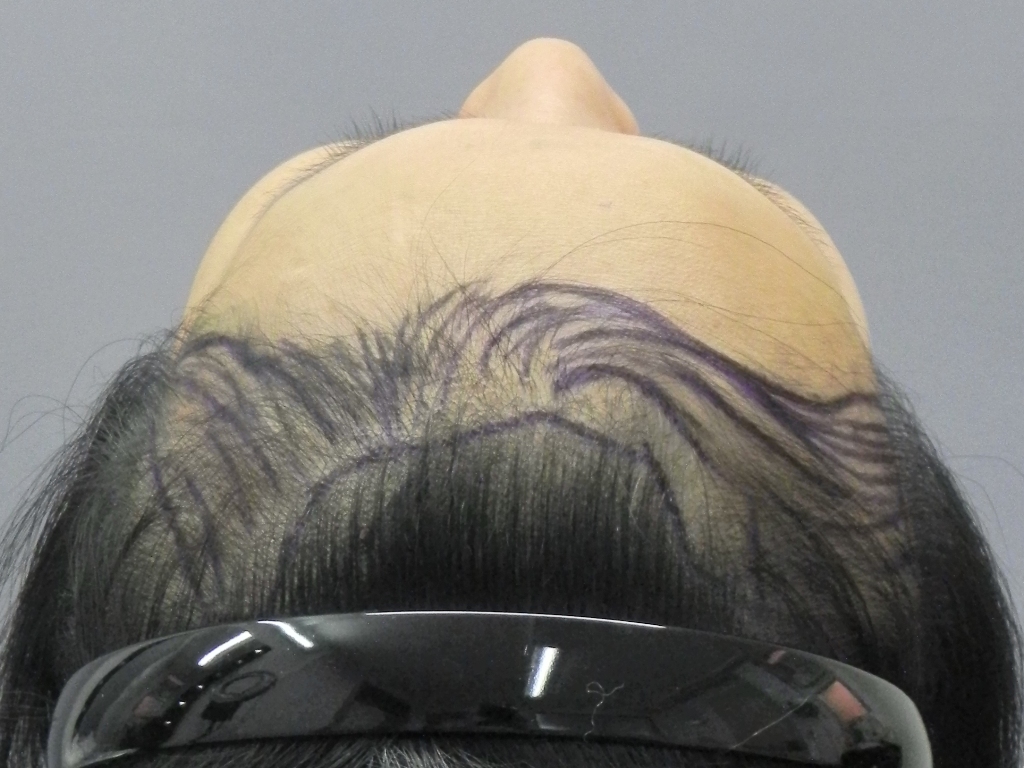
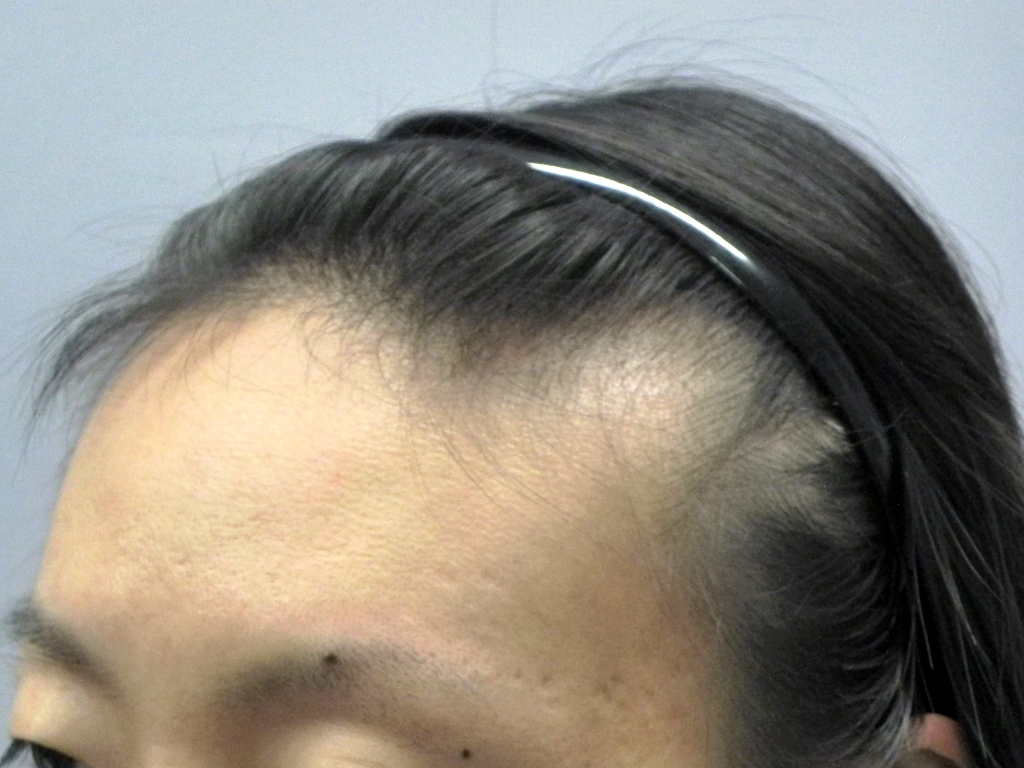
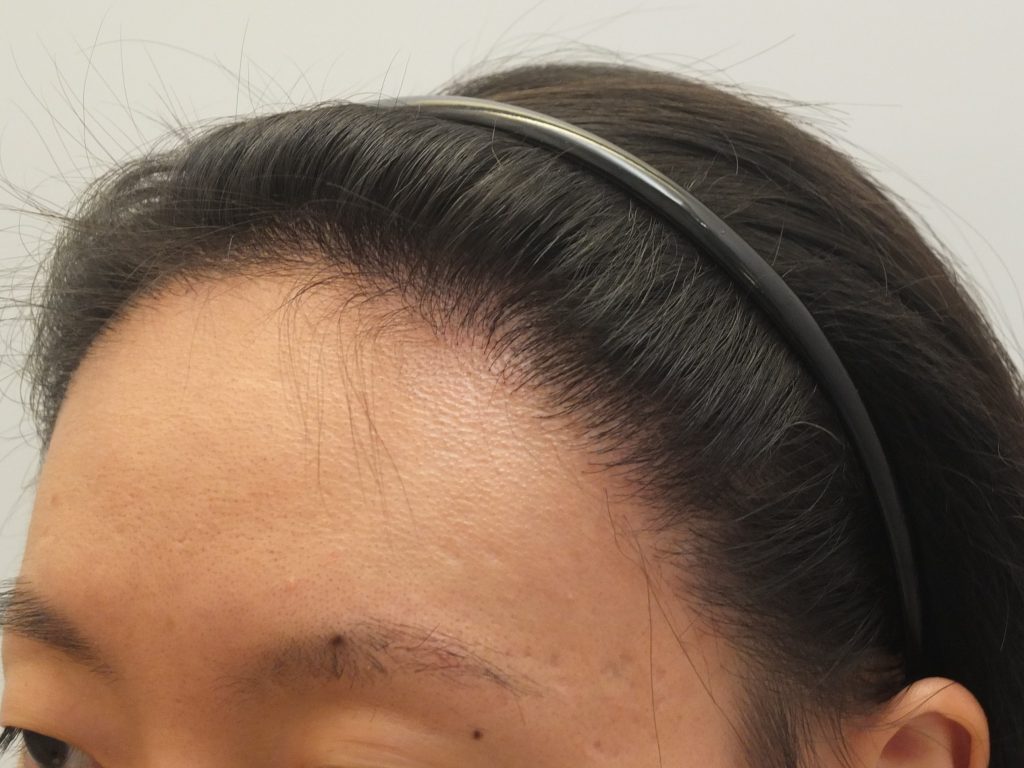
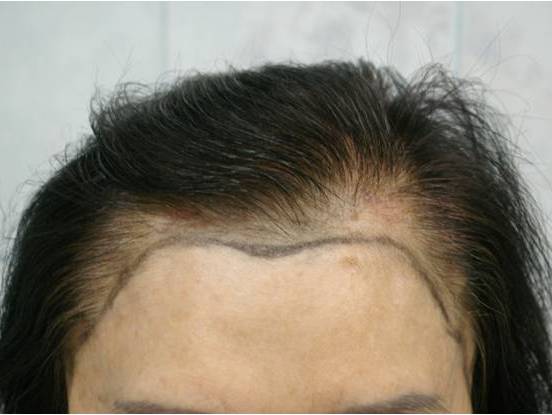
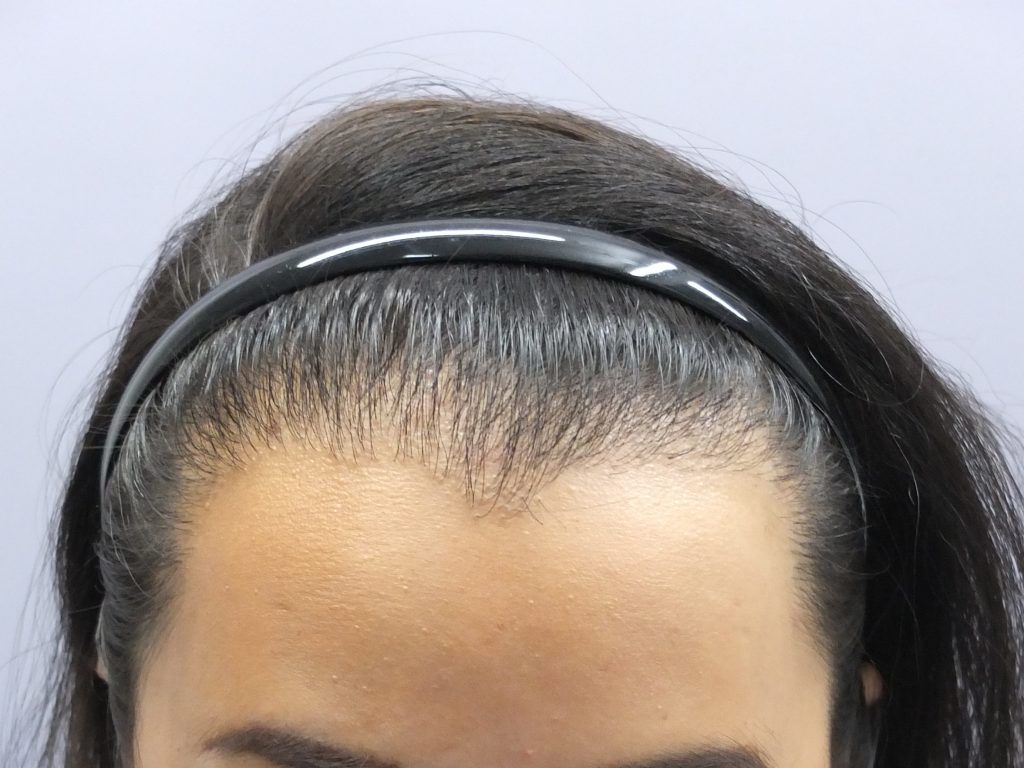
Traditional methods “create” a hairline by drawing a new boundary on the forehead. Our technique “restores” your hairline by following the unique, pre-existing flow pattern of the hair surrounding the thinning area (Fig 1). This fundamental difference is what ensures a result that looks inherited, not implanted.

Fig. 1 - Traditional Outline Technique
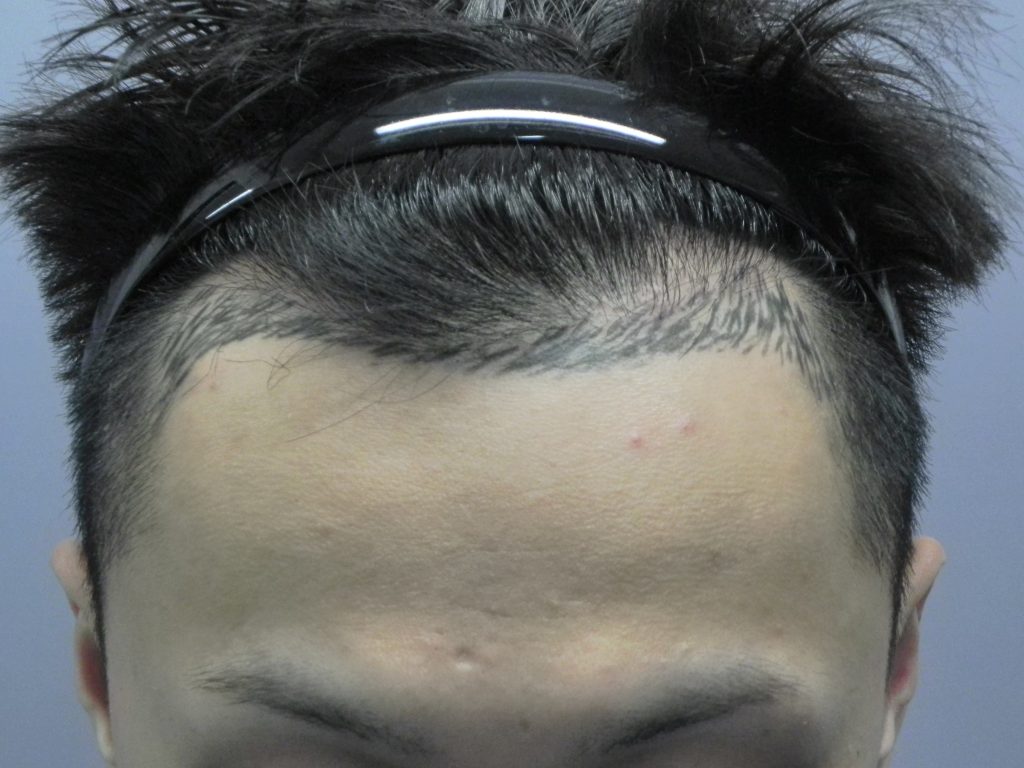
Fig. 2 - Artifical Result

Sara’s Comment

Traditional hairline design can create artificial-looking results ( Fig. 2 ) by drawing arbitrary lines. Our pioneering Hairline Extension Technique, first presented at the ISHRS, restores a feminine hairline by tracing and extending the natural flow and direction of your existing hair. This approach ensures the transplanted hair integrates seamlessly, creating soft, undetectable results that appear to have always been there.
Content-index

Why is female hairline restoration uniquely challenging?

Women seeking hairline lowering or refinement present distinct goals and challenges compared to men.

  • Aesthetic Precision: Requires an intensely soft, irregular, and rounded hairline with no temporal recession.

  • High Visual Impact: The hairline is immediately visible and must withstand close scrutiny.

  • Donor Hair Character: Hair from the back of the scalp is often coarser and must be artistically placed to mimic fine frontal hairs.

Who is an ideal candidate for this procedure?

Careful selection is paramount for success. Good candidates typically include women with:

  • A congenitally high hairline or triangular temporal recessions.

  • Stable hair loss (e.g., certain subtypes of Female Pattern Hair Loss without diffuse thinning).

  • Good donor hair quality and density.

  • Realistic expectations for refinement and lowering, not radical transformation.

What is the Hairline Extension Technique?

Fig. 3 - Landmarks
Fig. 4 - Follow Natural Flow
Fig. 5 - Follow Natural Flow
Fig. 6 - Follow Natural Flow

This is a philosophically and technically different approach to design, published and presented globally.

  1. Mapping Natural Flow: With hair styled normally, we trace the exact direction and curvature of your existing frontal hair.

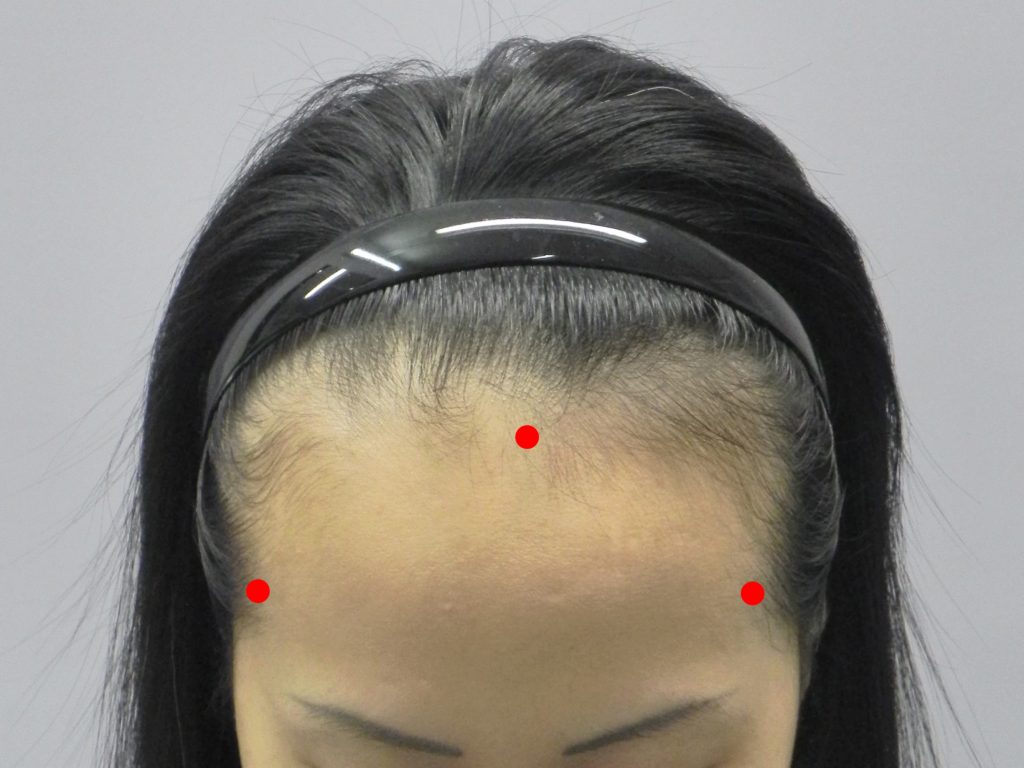
  2. Strategic Landmark Setting: Key points (temporal points, frontal midpoint) are set based on facial proportions (Rule of Thirds) and where your natural hair character begins ( Fig. 3 ).

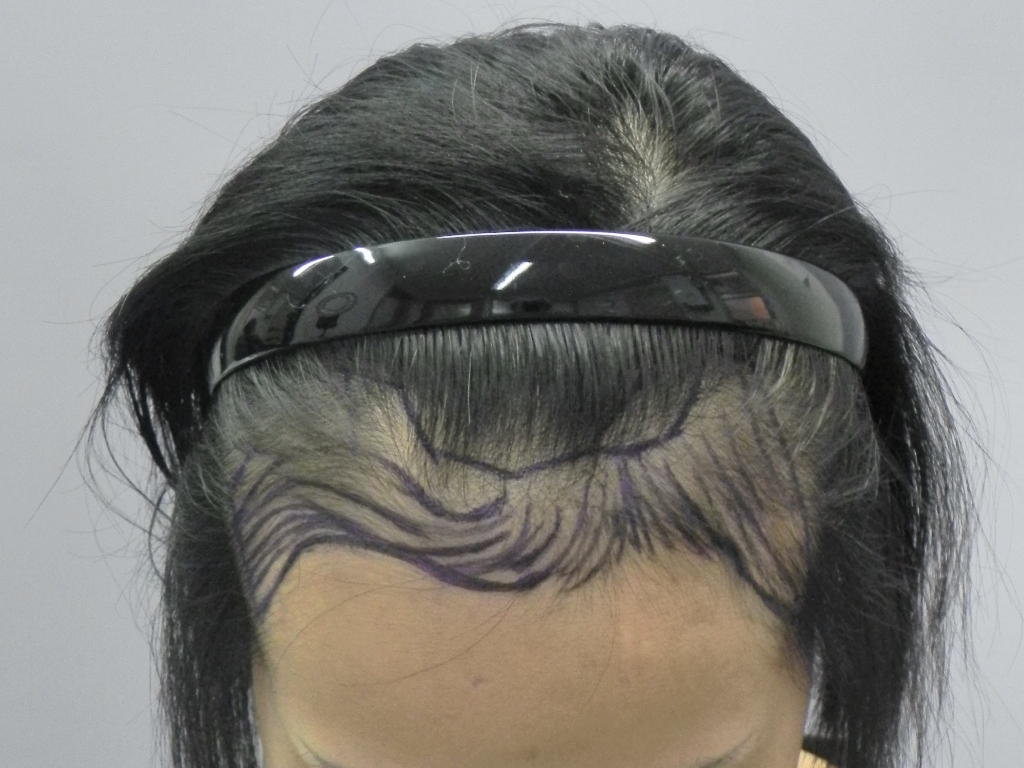
  3. Extending the Pattern: We gently extend the traced hair flow forward to form the new hairline contour, ensuring cowlicks and patterns are preserved. This creates a blueprint that is unique to you, not chosen from a menu of shapes ( Fig. 4, 5, 6 ).

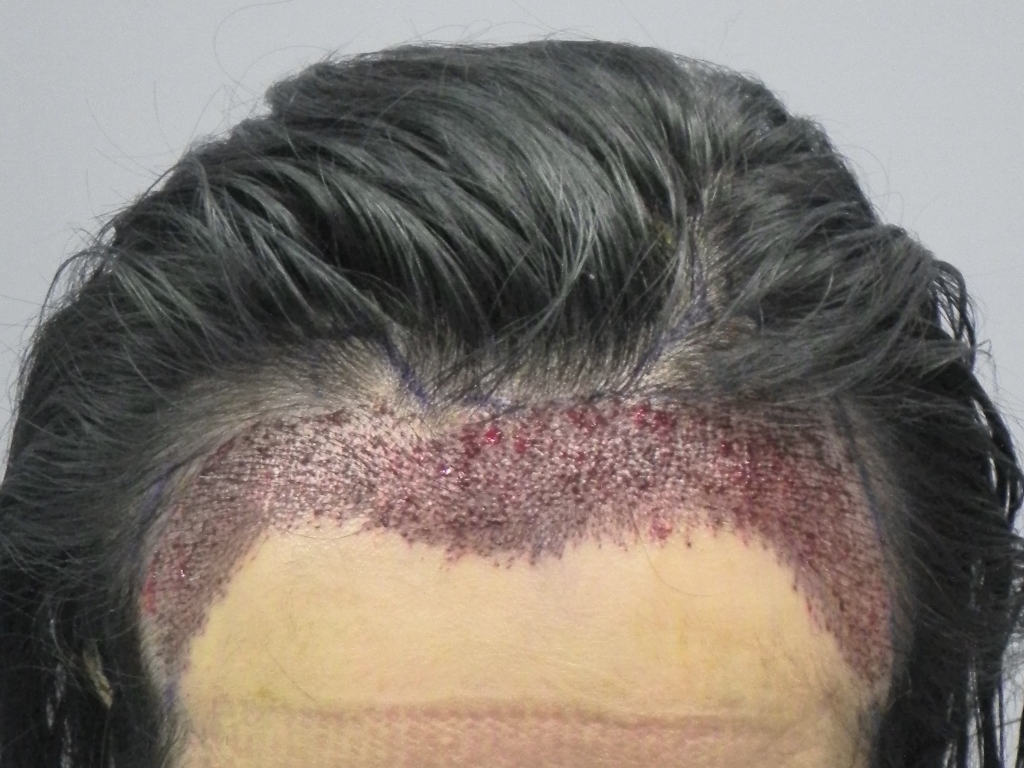
  4. Directional Implantation: Grafts are placed at the exact angle and direction of these “extension lines,” making them a continuation of your natural growth ( Fig. 7 ).

Why does following the 'flow' produce more natural results?

Fig. 7 - Graft Implanted
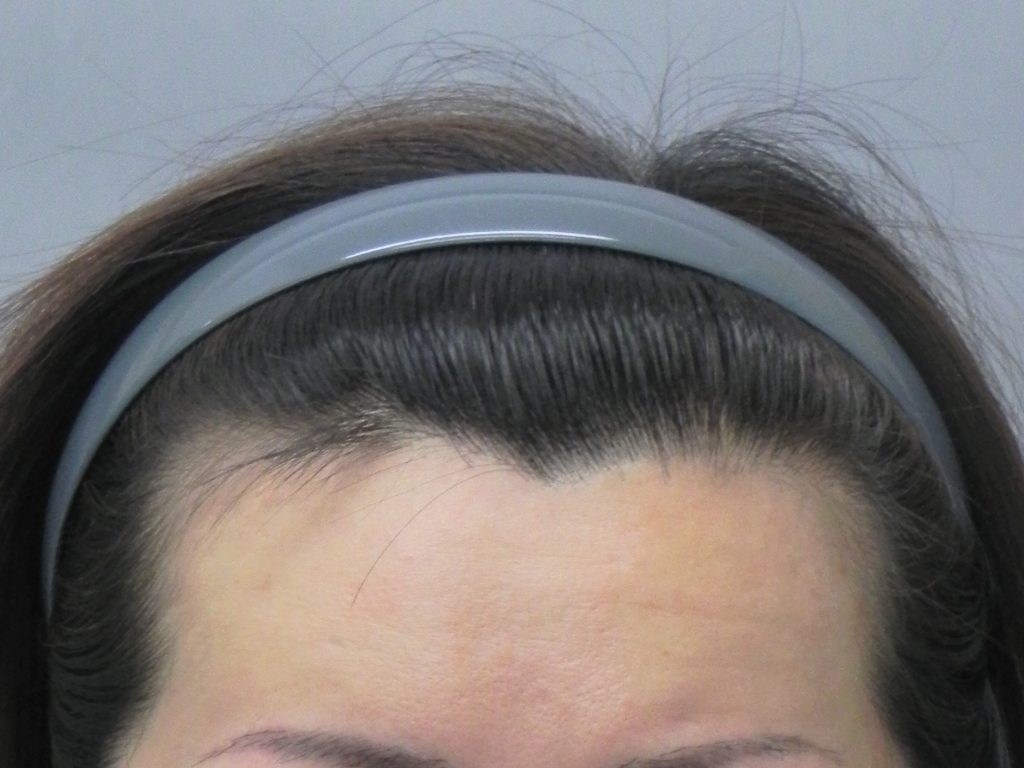
Fig. 8 - After Hair Transplant
Fig. 9 - Before
Fig. 10 - Twelve Months After

Hair grows in organized, whorled patterns across the scalp. Imposing a new, foreign pattern disrupts this natural architecture. By extending your inherent pattern, we ensure:

  • Seamless Integration: New hairs blend perfectly with existing ones.

  • Authentic Irregularity: Natural mounds, humps, and variations are preserved, not artificially added.

  • Resilience to Scrutiny: The hairline looks correct from all angles and under any styling ( Fig. 8, 9, 10 ).

What are the documented outcomes and applications?

This technique, developed over years of clinical refinement, produces reliably natural results.

  • Primary Use: Lowering and refining high or recessed hairlines in women with stable patterns.

  • Corrective Work: Improving unnatural, “pluggy” results from prior transplants.

  • Unisex Application: The principle of following natural flow can also be applied to create softer, more rounded hairlines for men.

Key Takeaways

  • Philosophy of Restoration: The goal is to restore your unique hairline by extending its natural growth pattern, not to create an arbitrary new one.

  • Technique Over Template: Success relies on a meticulous, patient-specific design process that traces and extends your individual hair flow.

  • Candidacy is Critical: Ideal candidates are women with stable hairlines and adequate donor hair seeking refined, feminine framing.

  • Evidence-Based Innovation: The Hairline Extension Technique is a published, peer-presented methodology that prioritizes undetectable, integrated aesthetics.

Considering Refinement of Your Hairline?

If you seek a subtle, natural-looking change to your hairline, this specialized approach may be your solution. Send clear, forward-facing photos with your hair styled normally for a preliminary flow analysis. Our surgical team can assess if your pattern is suitable for this refined technique.

References

  1. Bunagan, M. and Pathomvanich, D. Hair Restoration Surgery in Asian , Springer2010: 175-183
  2. Rinaldi, F. What Women Want about Hair, Hair Transplant Forum International, 2008; 18(2)56
  3. Unger, W. Candidacy of Females for Hair Transplantation. Hair Transplant Forum International, 2011; 21(4):106-112
  4. Lam, S. Hair Transplant 360. Jaypee 2011: 155-1567
  5. Saddick, N. The Role of Inflammatory and Immunity in the Pathogenesis of Female Pattern Hair Loss. Hair Transplant Forum International, 2012; 22(3)89
  6. Unger, W. Hair Transplant, Hair Transplantation 5th Edition, Informa 2011,131-17
  7. Haber, R and Stough, D. Hair Transplant, Elsevier2006:139-141
  8. Nusbaum, B. Naturally Occurring Female Hairline Patterns. Hair Transplant Forum International, 2012; 22(3)89
  9. Rassman, W. Hairline Evolution As Simple as ABC/123, Hair Transplant Forum International, 2013; 23(6)197-205
  10. Epstein, J. and Alexander, A. Lowering the Female hairline: Two Options in Treatment. Hair Transplant Forum International, 2013; 23(6)197-205
  11. Unger, W. et al, Hair Transplantation 5th Edition, Informa 2011, 55-56
  12. Knudsen, R. The Surgical Management of Frontal Fibrosing Alopecia, Hair Transplant Forum International, 2013; 23(4):117-122
  13. Pathomvanich, D. Hair Restoration Surgery in Asian , Springer2010, 185-188
  14. 1 Ng, B. My Hairline Extension Technique in Female Hairline Design, Hair Transplant Forum International, 2013; 23(4):126-127
36

MEDICAL - DISCLAIMERS

Images & Information shown are for reference only

Information on this website is provided for general educational purposes only and does not constitute personalized medical advice. It is not intended to promote our service or imply superiority over another.

Individual results in hair restoration vary significantly and no outcome can be guaranteed. The before-and-after images shown represent possible results — not promises. We recommend seeking independent medical advice to discuss your options … Read More

Paragraph

Pre-Consultation Review

Ensure You're a Good Candidate for hair transplant

Why pay for a consultation if you’re not a candidate? Start with our free WhatsApp assessment — the first step in our ‘No-Regret’ protocol to see if hair transplant is a realistic solution for your hair loss.

Still Have Questions ?

If you want to get a personalized answer from our medical team, you can reach us using this form here. We will cantact you as soon as possible.

Our Quality & Safety Standards

Our practice adheres to guidelines established by leading international organizations in Hair Restoration.

ISHRS

International Society of Hair Restoration Surgery is the leading global medical association that establishes international practice standards and patient safety protocols.

ABHRS

The American Board of Hair restoration Surgery represents the highest standard. To maintain rigorous certification requirements the physician must demonstrate surgical expertise.

WFI

Worls FUE InstituteI serves as the premier educational body focused exclusively on Follicular Unit Extraction methodology. The institute ensures consistent application of safe FUE.

This site is registered on wpml.org as a development site. Switch to a production site key to remove this banner.