
Men Receding Hairline – Surgical Plan

Hair Transplant for Receding Hairlines: A Surgical Guide to Restoration & Planning

20 Years of Expertise : Every Step Performed in Hong Kong By Doctors

Can hair transplant fix a receding hairline?

Yes, a hair transplant is the only permanent solution for a receding hairline caused by male pattern baldness. By transplanting DHT-resistant follicles from the back of the scalp to the frontal area, it creates a lasting, natural hairline. Candidacy is determined by the stability of your hair loss, the quality of your donor hair, and having realistic expectations.

Sara’s Comment:

A receding hairline, caused primarily by genetics and the hormone DHT, is the most common pattern of male hair loss. A hair transplant can permanently restore a natural, age-appropriate frontal frame. Success depends on stable hair loss, adequate donor supply, and a surgical plan that prioritizes long-term density and strategic graft use over an artificially low hairline.
Content-index

What causes a receding hairline in men?

Male pattern hair loss (androgenetic alopecia) is driven by a combination of factors:

  • Genetics: Your family history is the strongest predictor.

  • Hormones (DHT): Dihydrotestosterone miniaturizes sensitive follicles, first at the temples and hairline.

  • Aging: A natural, gradual maturation of the hairline is common.

  • Lifestyle: Stress, diet, and smoking can accelerate genetic hair loss but are rarely the sole cause.

Who is a suitable candidate for hairline restoration surgery?

  • Ideal candidacy is based on medical and aesthetic factors.

You are likely a good candidate if you have:

  • Stable Hair Loss: A pattern that has progressed slowly or plateaued, typically after age 25-30.

  • Adequate Donor Density: Strong, permanent hair in the back and sides of your scalp.

  • Realistic Goals: Desire for a natural, age-appropriate improvement, not a teenager’s hairline.

  • Good Health: No uncontrolled conditions that would impair healing.

You are likely NOT a good candidate if you have:

  • Diffuse, Unstable Thinning: Rapid, ongoing loss across the entire scalp.

  • Insufficient Donor Hair: Poor density or miniaturization in the “safe” donor zone.

  • Unrealistic Expectations: Demands that conflict with surgical limitations or long-term planning.

What is the surgical plan and how many grafts are needed?

  • The goal is to restore a natural, age-appropriate hairline that enhances facial proportion without overusing precious donor grafts.
  • The new hairline must blend seamlessly with existing hair and allow for future planning as hair loss progresses.
  • Preservation of donor area and long-term density strategy are key.

What is the surgical plan and how many grafts are needed?

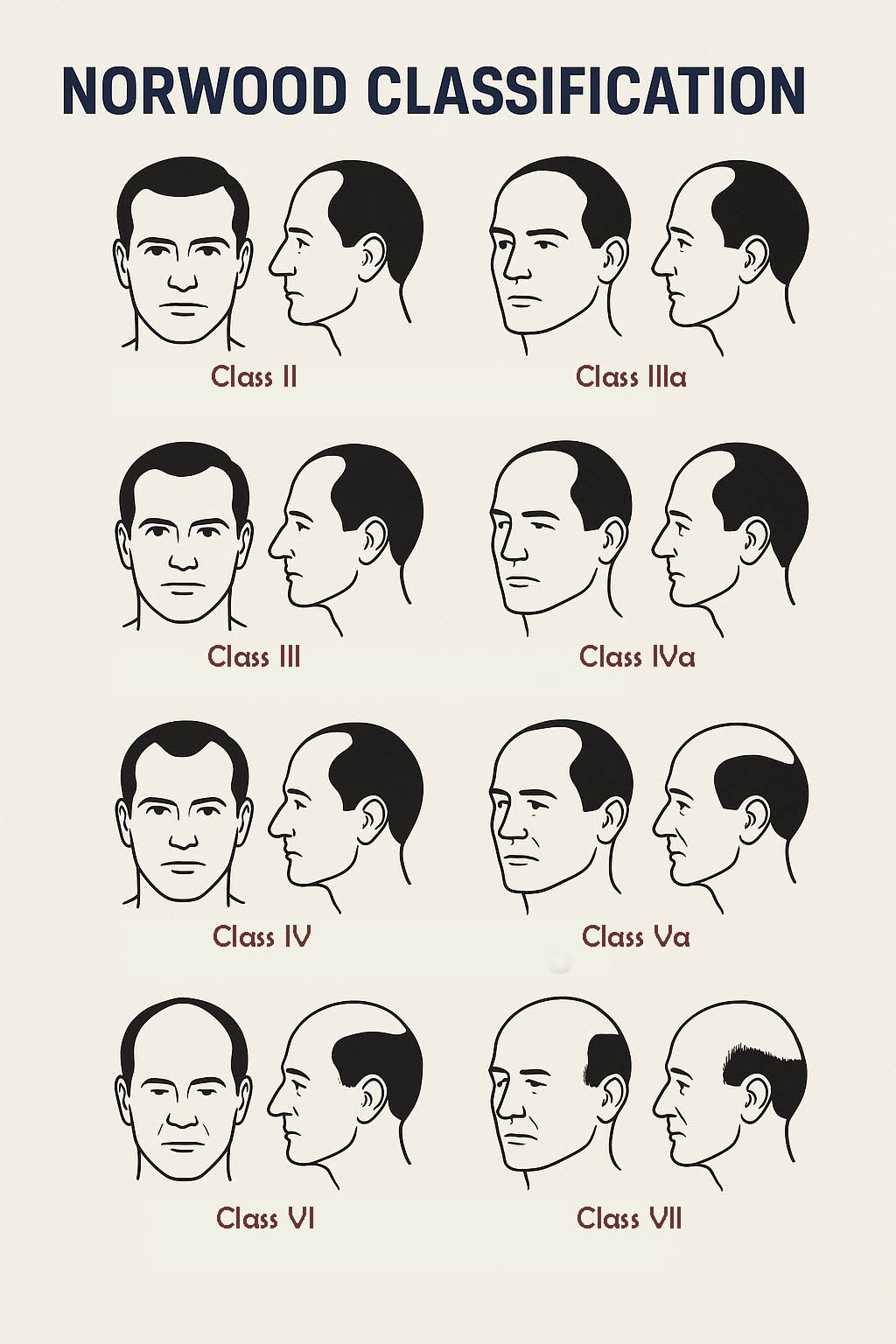
  • The plan is customized to your Norwood classification and facial anatomy. Graft counts are estimates for a single session.

Norwood Class II

  • ~1,200–1,600 grafts. Caution advised for young patients; future loss can isolate transplanted hair.

Norwood Class III

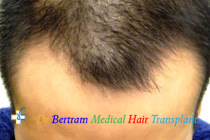
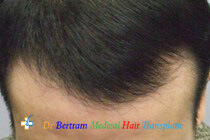
Before
12 Months After
  • ~1,800–2,400 grafts. Focus on reinforcing the frontal core and temples.

Norwood Class IV

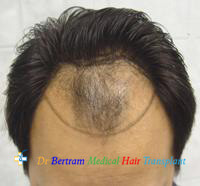
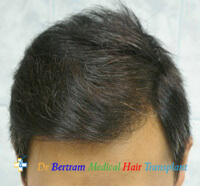
Before
12 Months After
  • ~2,200–3,000 grafts. Restores a strong frontal frame and forelock for styling versatility.

What are the key principles of hairline design and technique?

Our approach focuses on creating undetectable, sustainable results.

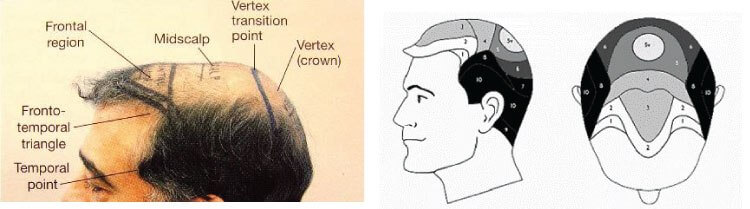
  • Hairline Design: We craft a soft, irregular, and age-appropriate hairline that follows your natural facial proportions and bone structure.

  • Technique Choice: Both FUE and FUT are available. FUE is often preferred for hairline work due to no linear scar and precise placement of 1-hair grafts for a feathered edge.

  • Long-Term Strategy: Grafts are placed with future hair loss in mind. We prioritize density in the central forelock and use a conservative hairline position to preserve donor hair for the future.

Why is ongoing maintenance important after a hair transplant?

A transplant addresses the hairline but does not stop the progression of genetic hair loss behind it.

  • Medical Therapy: Finasteride or minoxidil is often recommended to protect native, non-transplanted hair and ensure long-term scalp coverage.

  • Adjuvant Support: LLLT (Low-Level Laser Therapy) may be used post-operatively to support healing and graft survival.

Key Takeaways

  • Permanent Solution: A hair transplant is the only permanent cure for a receding hairline, using DHT-resistant donor follicles.

  • Candidacy is Critical: Success requires stable hair loss, good donor hair, and realistic expectations.

  • Strategic Planning is Everything: The surgical plan must balance immediate improvement with long-term preservation of your finite donor supply.

  • Design Over Density: A natural, age-appropriate hairline design is more important than maximal graft count or an artificially low position.

  • Maintenance is Key: Post-operative medical therapy is often essential to protect your overall result and prevent further loss.

Ready to Plan Your Hairline Restoration?

The first step is a professional assessment of your pattern, donor area, and goals. Send clear photos of your hairline from the front and sides for a free surgical plan preview. Our medical team will evaluate your Norwood stage and provide a detailed graft estimate and strategy tailored to achieve a natural, lasting result.

36

MEDICAL - DISCLAIMERS

Images & Information shown are for reference only

Information on this website is provided for general educational purposes only and does not constitute personalized medical advice. It is not intended to promote our service or imply superiority over another.

Individual results in hair restoration vary significantly and no outcome can be guaranteed. The before-and-after images shown represent possible results — not promises. We recommend seeking independent medical advice to discuss your options … Read More

Pre-Consultation Review

Ensure You're a Good Candidate for hair transplant

Why pay for a consultation if you’re not a candidate? Start with our free WhatsApp assessment — the first step in our ‘No-Regret’ protocol to see if hair transplant is a realistic solution for your hair loss.

Still Have Questions ?

If you want to get a personalized answer from our medical team, you can reach us using this form here. We will cantact you as soon as possible.

Our Quality & Safety Standards

Our practice adheres to guidelines established by leading international organizations in Hair Restoration.

ISHRS

International Society of Hair Restoration Surgery is the leading global medical association that establishes international practice standards and patient safety protocols.

ABHRS

The American Board of Hair restoration Surgery represents the highest standard. To maintain rigorous certification requirements the physician must demonstrate surgical expertise.

WFI

Worls FUE InstituteI serves as the premier educational body focused exclusively on Follicular Unit Extraction methodology. The institute ensures consistent application of safe FUE.

This site is registered on wpml.org as a development site. Switch to a production site key to remove this banner.