
FUT & COMBO

Understanding the Harvesting Techniques in Hair Transplant

What is FUT ?

Last Updated: 6 Nov 2025

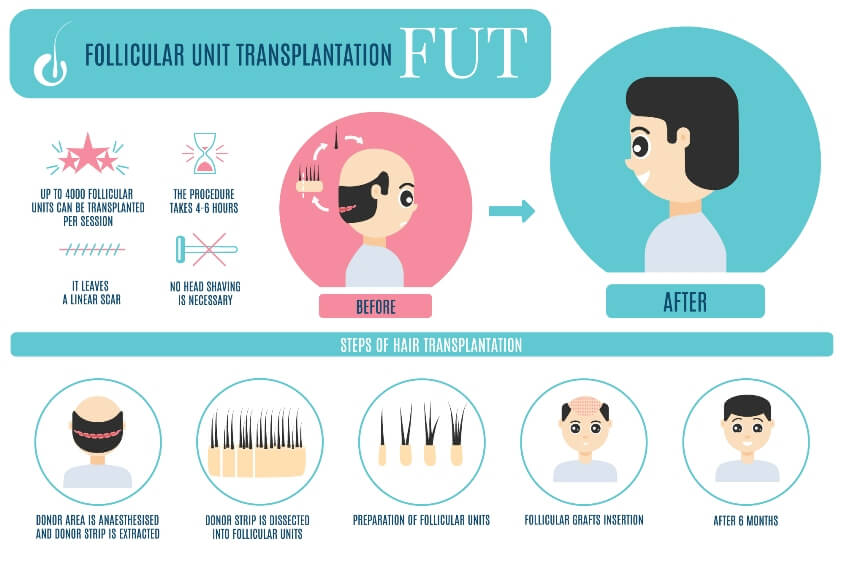
FUT stands for Follicular Unit Transplant. The technique was first described in 1984, when individual hair follicles resistant to the thinning effect of DHT (Dihydrotesterone) are transferred from one area (Donor Site) to another (Recipient Site).

The Recipient Areas can be any part of the body, usually the balding scalp, eyebrow, beard, chest, or even pubic areas. FUT is also known as:

Strip

As it involves the surgical removal of a narrow strip of hair-bearing skin tissue from the back and sides of the scalp. This piece of tissue is then dissected under microscopes into smaller grafts. The grafts are then meticulously planted into skin pockets ( the slits ).

FUSE

Some centers called it Follicular Unit Strip Excision ( FUSE ) but this name is not popular.

Content-index

Our No-Shaved FUT Technique

We Combine Dr. Damkerng’s Open Technique, Dr Wong’s Gigasession, and Dr Elliot’s Multi-follicular Unit Implantation

In 2008 we had one year apprenticeship with Dr Damkerng Pathomvanich, learning his personal FUT technique known as “Open Technique”. While working as a Plastic Surgeon in America, he learned FUT from Dr Stough ( Little Rock, USA ). After returning to Thailand he modified the technique to cater for the Asians hair. He was the authors of 2 textbooks that focus on Hair Transplant in Asians. He received two Gold Follicle Awards from both ISHRS and AAHRS for his achievement. 

Megasession and Gigasession” are first described by Dr Jerry Wong of Canada. More than 5,000 grafts can be transplanted in one single session to achieve a large area coverage for patients with advanced hair loss.

“Mixed Follicular Unit Transplant” was first described by Dr Vinc Elliot of Canada. He combined both single follicular units ( SFU ) and double follicular units ( DFU ) – SFU-grafts are used exclusively to create the hairline while DFU-grafts are placed in key areas for density.

Who Should Consider No-Shaved FUT ?

The Professionals

We have been providing hair transplannt for doctors, lawyers, CEO, professors, or even judge of the High Court. FUT is the best option to cater for their special requirements:

  • Do not want people to know about having hair transplant
  • Do not want to shave for the procedure
  • Prefer to keep medium length hair to match their image
  • Do not want to have obvious thinning in the Donor Area afterwards
  • Minimal downtime, back to work as soon as possible

Severe hair loss

  • FUT can easily harvested over 2,000 grafts in one session, achieving a better result in a shorter time.
  • More grafts can be taken in a second procedure to cover the large balding area.

Tight in Budget

  • As a rule FUT is cheaper than FUE when transplanting the same number of grafts.

Women

  • FUT is the best option for women. There is no need to shave a large area in donor area.
  • Remember hair grows at only 1cm per month. It may take years for hair to grow back long enough for styling.

No Intention for Skin Head or Military Look

  • For those who prefer wearing medium length or long hair after surgery, the linear donor scar is not even a concern.
  • FUT has the advantage of not causing obvious thinning at the back of the head.

No Shave FUT : 7 Technical Features

1. Mixed Follicular Unit Transplant

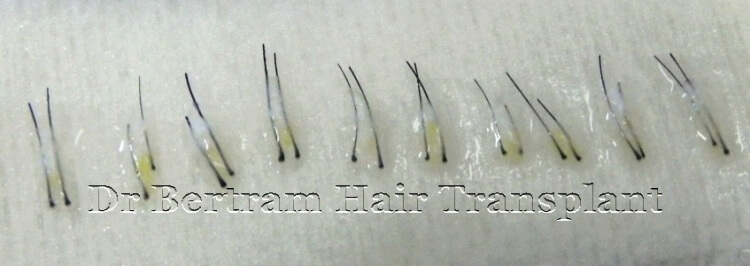
There are two 1-Hair-FU per graft,known as DFU ( Double Follicular Units )
  • 30 years ago surgeons transplanted large graft 4mm in diameter known as Minigrafts. This provided a dense but unnatural and pluggy look.
  • In 1994 Dr. Bobby Limmer ( USA ) first described the use of microscope in isolating follicular units ( FUs ) from the Strip.
  • The grafts were kept as small as possible and Single Follicular Unit ( SFU ) 1mm in diameter are used exclusively.
  • It had the advantage of achieving a more natural result, but unfortunately failed to reach good density coverage.
  • Mixed Follicular Unit Transplant combines both single follicular units ( SFU ) and double follicular units ( DFU ).
  • SFU-grafts are used exclusively to create the hairline while DFU-grafts are placed in key areas for density.
2. Better Graft Survival

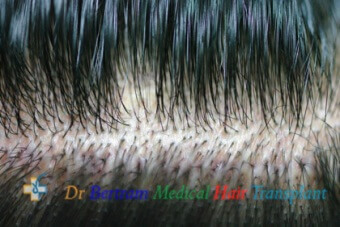
  • On average 8-15% of grafts would not survive after transplant to grow new hair.
  • Our FUT minimises cellular damage by making use of the latest development in Biotechnology including low level laser and specially formulated storage solution.
  • In two research studies conducted by Dr Beehner ( USA ), the DFU we used have a better chance of survival after transplant than SFU.
  • A larger graft with more fatty tissue has extra protection and buffering against the elements of drying and trauma.
  • He further commented that graft survival depends a lot on the skill of the surgical team.
  • Our staff prepare all grafts under microscope to minimize hair root transection

3. Permanent Hair Transplant

  • We transplant only the good quality hair follicles from the Safe Donor Area for a long lasting result.
  • Those with poor donor supply would not be accepted for Hair transplant.

4. Safe Donor Hair Reserve

  • Donor depletion has becomes a problem in the current trend of Megasession.
  • We do our best not to waste any grafts during the procedure as to preserve more hair for future use.

5. Natural Looking Result

  • Grafts are implanted carefully to match the angle, direction, and orientation of existing hairs.
  • We have developed different hairline design techniques and devices for men and women of various ethnic groups.

6. No Shaving - Early Return to Work and Activities

  • Shaving is recommended but optional.
  • Most people can resume work 2-3 days after the procedure.
  • Light exercise such as jogging and cycling cna be resumed after a week. No need for a long vacation.
  • For the same number of hair, DFU requires less incisons than SFU. Less puncture holes on the scalp minimize the damage to the local blood supply.
  • Discomfort during and after the procedure is reduced accordingly. In-office Laser and formulated spray are provided to promote wound healing.

7. Smart Use of Available Grafts

  • Since the donor supply is limited, we ensure every extracted graft is made good use of, using the minimal number of grafts to achieve a reasonable result and at a lesser cost.
  • Also we adopt an Key Area Transplant Approach, with uneven distribution of grafts.
  • Large grafts are dense packed into parting areas to achieve a denser look.

How We Minimize FUT Donor Scar

Scar formation is unpredictable. Invisible scar cannot be guaranteed in all cases. Over the years hair transplant surgeons have tried many methods to achieve the “invisible” scar in the donor area. The followings are the 3 techniques we use to minimize donor scar:

  • Technique 1 : Reduce Width of Strip
  • Technique 2 : Retention Suture
  • Technique 3 : Scar Reduction After FUT

1 : Reduce Width of Strip

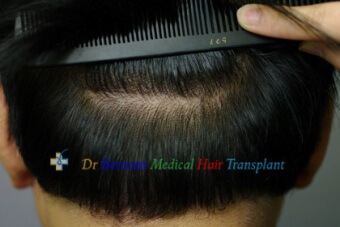
Almost invisible FUT Donor Scar
Most FUT Scar can be covered by hair

Transection is the accidental damage to the hair follicle by sharp blade during harvesting and graft cutting. To survive, the mid-portion (contains stem cells) must be intact. To compensate for wasted graft a wider strip must be excised. The increase of few minimeter can make a big difference to the wound closing tension. Smaller strip means lesser scar, so we reduce strip size by:

  • Careful planning using less grafts for best result
  • Minimizing transection by combining different techniques

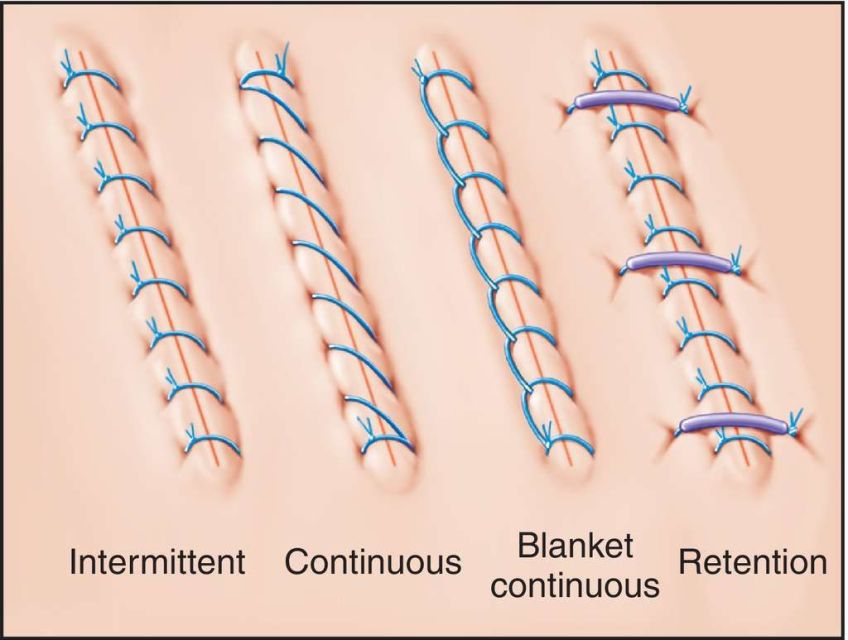
2 : Retention Suture

FUE-HD is one of such technique variations to overcome the drawbacks of traditional FUE.  “HD” stands for High Density. We combined and modified the European and USA FUE techniques to accommodate for high density implantation. The incisons are smaller with less bleeding and trauma to the recipient site. This markedly reduces the downtime, and patients can resume normal activities just after a few days. Our system also combines the latest bio-technology.

3 : Scar Reduction After FUT

This technique create mechanical creep for tension free closure, and allows close approximation of wound edges. It has been used in abdominal surgery for decades. Dr Pathomvanich (Thailand) adopted the technique into donor wound closure.

Satisfactory results have been observed in more than 1,000 cases. Stitches can be removed as early as day 5. No unsightly stitch marks were left in most cases. Even tight wound can be closed without tension. This technique leaves no buried stitches so there is less tissue reaction and better scar formation.

AfterCare of Donor Areas

Sutures should be kept long enough for proper healing. Forceful or jerky movement of the neck should be avoided for the first 4 weeks. Topical Silicone, Vitamin C preparation and steroid have all been advocated.

COMBO – FUE & FUT Combined

Objective : Maximizing Graft Yield with Smart Donor Management

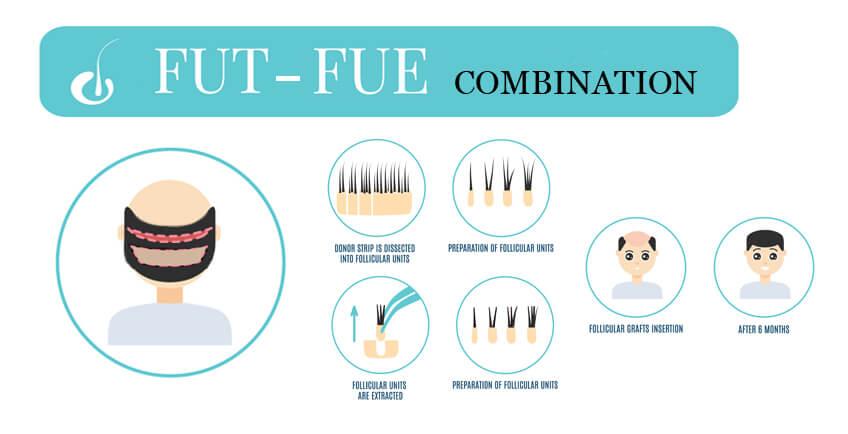
The FUE + FUT Combo technique combines Follicular Unit Excision (FUE) and Follicular Unit Transplantation (FUT) in a single or staged procedure. It is a strategic approach used when maximum graft yield is required while preserving donor area integrity.

Instead of relying on one method alone, this combination leverages the strengths of both techniques to achieve better coverage, density, and long-term flexibility.

The FUE + FUT Combo is an advanced surgical plan best performed by an experienced team. At our clinic, we tailor this approach for suitable patients to ensure maximum graft survivalnatural results, and future flexibility.

How Is It Performed ?

  1. FUT (Strip) First : A strip of scalp is removed from the back of the head, and grafts are dissected under a microscope. This leaves a fine linear scar.

  2. FUE Harvesting Next : Additional grafts are extracted from around the strip zone using a small punch. The distribution is carefully planned to avoid overharvesting.

  3. Graft Placement : All grafts are placed in the recipient area using the same method, regardless of how they were harvested.

This should be done in one day to minimize surgical risks and patients’ discomfort.

Advantages

  • Maximum Graft Yield in a single surgical plan (4,000–5,000+ grafts)
  • Donor Preservation: Less trauma to scalp compared to mega-FUE alone
  • Efficient Use of Scalp Zones: FUT harvests from the center; FUE from surrounding areas
  • Better Coverage: Allows simultaneous restoration of hairline, mid-scalp, and crown
  • Great for Repair Cases: Offers flexibility when donor zones are partially used

Disadvantages

  • More Invasive : Involves both a linear scar and multiple small extraction sites
  • Longer Procedure Time : May take a full day or staged over two days
  • Requires Expert Skill : Not every clinic is experienced in both techniques
  • Slightly Longer Recovery : Due to healing from both types of donor wounds

Who Are the Ideal Candidates for COMBO ?

This technique is best suited for:

  • Men with advanced hair loss (Norwood Class V–VII)
  • Patients requiring over 3,500 grafts in one or two sessions
  • Individuals with moderate donor density, where FUE alone would exhaust the donor area
  • Patients with previous FUT scars who still have good surrounding donor zones
  • Patients seeking repair procedures or full restoration including crown coverage
36

conditions of use

Medical Disclaimer

Information provided on this website is for educational purposes only and is not intended as medical advice. It should not be interpreted as promotional material or as claims of superiority over other techniques or providers.

Individual results may vary, and no outcome can be guaranteed. Always consult with a qualified healthcare professional before making any decisions about medical treatment.

Paragraph

Pre-Consultation Review

Ensure You're a Good Candidate for hair transplant

Why pay for a consultation if you’re not a candidate? Start with our free WhatsApp assessment — the first step in our ‘No-Regret’ protocol to see if hair transplant is a realistic solution for your hair loss.

Still Have Questions ?

If you want to get a personalized answer from our medical team, you can reach us using this form here. We will cantact you as soon as possible.

Our Quality & Safety Standards

Our practice adheres to guidelines established by leading international organizations in Hair Restoration.

ISHRS

International Society of Hair Restoration Surgery is the leading global medical association that establishes international practice standards and patient safety protocols.

ABHRS

The American Board of Hair restoration Surgery represents the highest standard. To maintain rigorous certification requirements the physician must demonstrate surgical expertise.

WFI

Worls FUE InstituteI serves as the premier educational body focused exclusively on Follicular Unit Extraction methodology. The institute ensures consistent application of safe FUE.

This site is registered on wpml.org as a development site. Switch to a production site key to remove this banner.