
Eyebrow Transplant – Our Technique

The Art of Natural Restoration

20 Years of Expertise : Every Step Performed in Hong Kong By Doctors

Why Eyebrow Transplants Are a Specialized Art

Eyebrow restoration is fundamentally different from scalp transplantation. Success depends on mimicking nature’s subtle details:

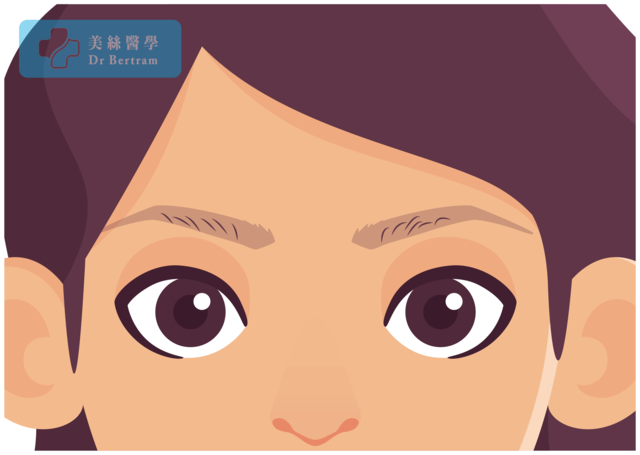
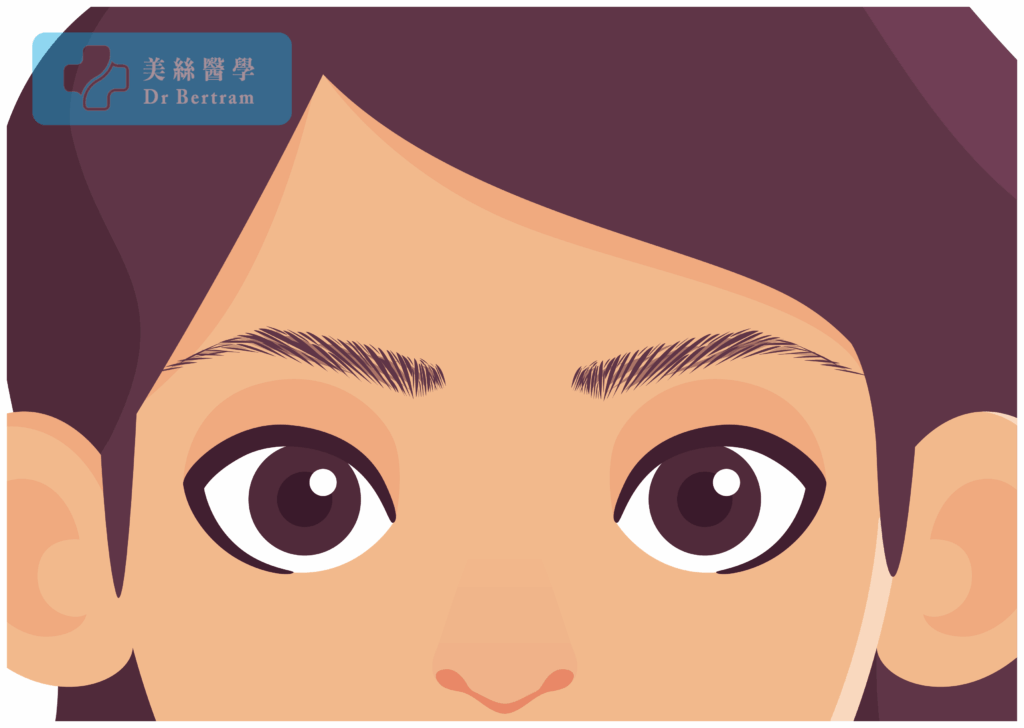
  • Hair Direction: Brow hairs grow in distinct, changing patterns—upward in the inner half and converging or downward in the outer tail.

  • Hair Caliber: The hairs are fine and taper naturally. We source individual, fine grafts from the nape of the neck or behind the ear for a perfect match.

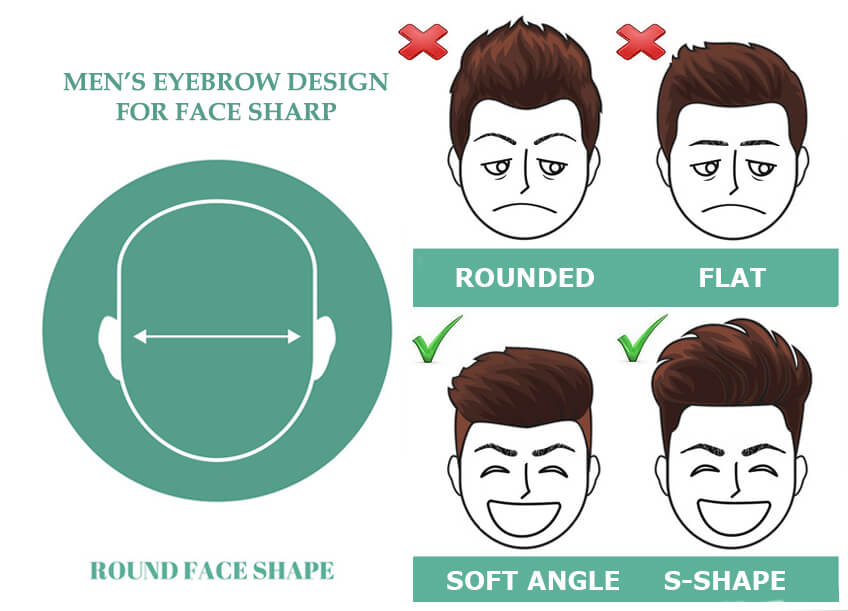
  • Facial Harmony: The brow shape must complement your unique facial structure (oval, round, square, heart-shaped).

Sara’s Comment

What makes an eyebrow transplant look natural? It requires artistic design combined with surgical precision. Unlike scalp hair, eyebrows demand specific hair direction, angle, and caliber. Our specialized 3D Stick & Place FUE technique transplants individual nape hairs to create soft, feathered eyebrows that match your facial structure and look entirely natural.
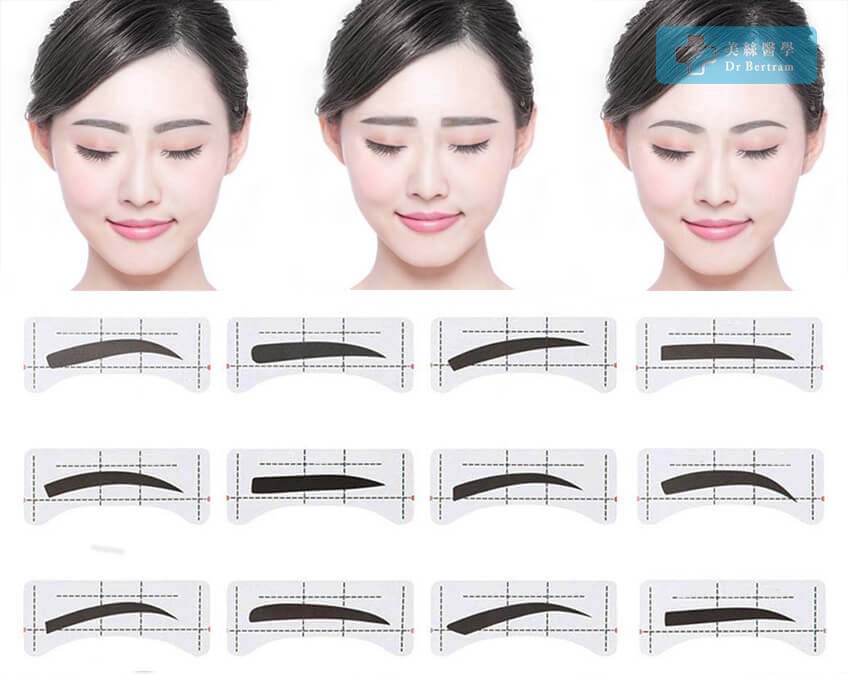
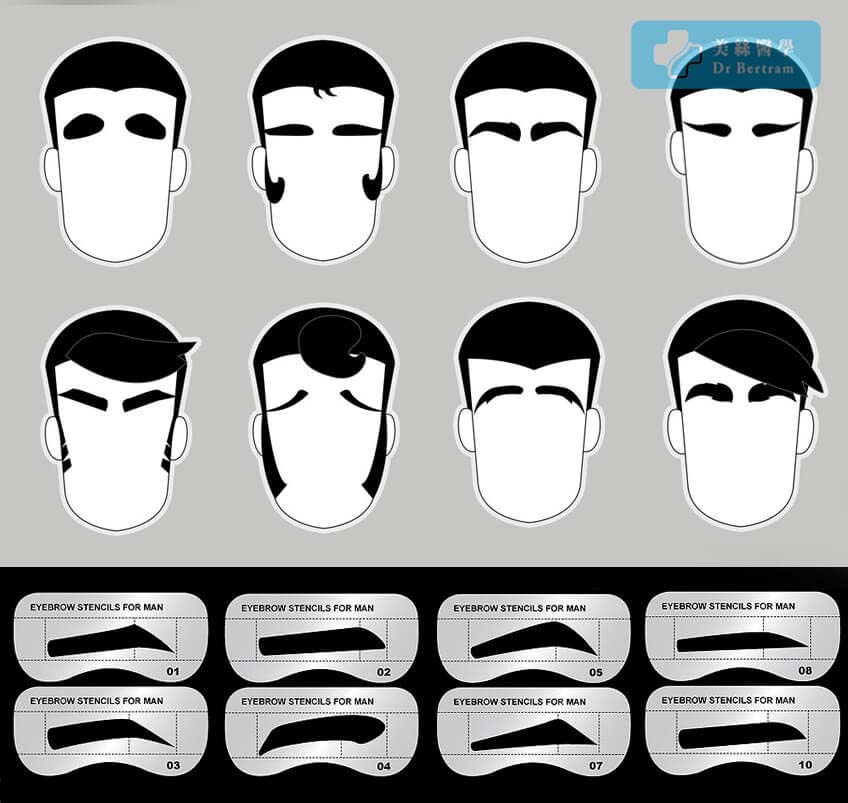
Content-index

Eyebrow Anatomy & Shapes

Women

Men

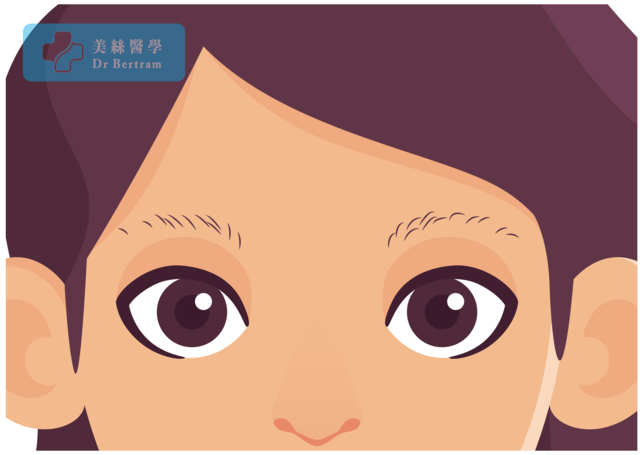
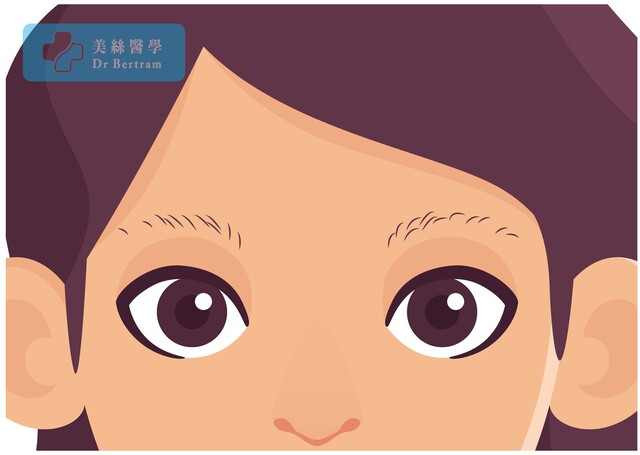
What Can Go Wrong in an Eyebrow Transplant

  • Eyebrow transplant can dramatically restore symmetry, definition, and confidence, it is a highly nuanced procedure where even small errors can have a significant impact on facial harmony.
  • Unlike scalp hair transplants, eyebrow restoration demands precision—not just in graft placement, but in angle, direction, density, and curvature—because eyebrows play a defining role in facial expression and balance. 
  • Common pitfalls include the followings:

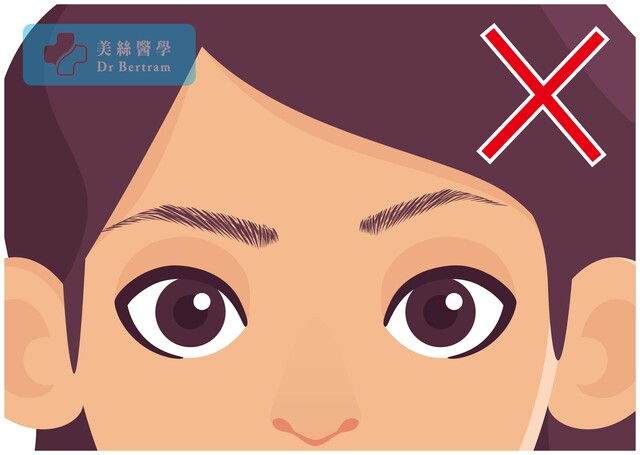
Pitfall1 - overly thick or dense brows

  • Excessive density can create a heavy, unnatural look that overwhelms delicate facial features—especially in women—making the face appear harsh or masculine.
  • soft, feathered definition is key; too many grafts packed tightly mimic beard hair rather than fine eyebrow strands.

Pitfall 2 - unnatural arches that clash with face shape

  • Eyebrows are essential to facial harmony—they frame the face and influence how the eyes, nose, cheeks, mouth, and chin appear.
  • The ideal eyebrow shape aligns with one of six primary face shapes: oval, round, square, heart, triangle, or rectangle.
  • Since the underlying skeletal structure also guides brow form, achieving the most flattering result depends on ensuring the new eyebrows complement all facial features.
  • An arch that’s too high, too angular, or mismatched to the patient’s bone structure (e.g., a sharp peak on a round face) disrupts facial balance.
  • The brow should complement—not contradict—the natural geometry of the face to enhance harmony.

Pitfall 3 - Hair growing in the wrong direction

  • Eyebrow hairs naturally follow specific growth patterns: upward near the nose, arched in the middle, and outward toward the tail.
  • If transplanted follicles grow vertically, sideways, or against this flow, the result looks messy, stiff, or “stuck-on.”

Pitfall 4 - grafts placed too high or too low

  • Positioning errors alter eye shape and expression.
  • Brows placed too low can make eyes look smaller or tired; those too high may create a perpetually surprised look.
  • Even a 2–3 mm deviation can significantly affect aesthetics and perceived age.

Pitfall 5 - Asymmetry

  • Slight natural asymmetry is normal, but pronounced differences in arch height, thickness, or length between brows draw unwanted attention and create imbalance.
  • Precision in design and execution is essential—both brows must mirror each other in form and proportion relative to the face’s midline.

Our 4 Steps Approach in Eyebrow Design & Planning

Step 1 - Medical Consultation & Analysis

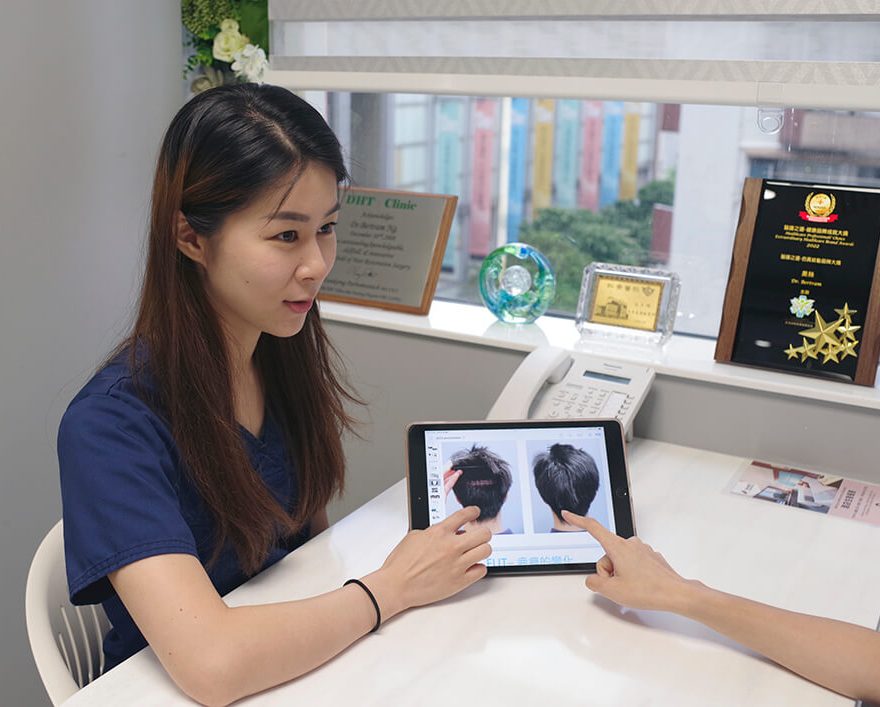
  • The surgeon performs a detailed assessment, diagnosing the cause of your eyebrow loss and evaluating your facial anatomy.

  • Your donor area is examined under magnification to ensure a sufficient supply of fine, single-hair grafts that match natural eyebrow texture.

Step 2 - Collaborative, Anatomical Design

  • Using your bone structure and facial symmetry as a guide, the surgeon drafts a proposed brow shape with you in the room.

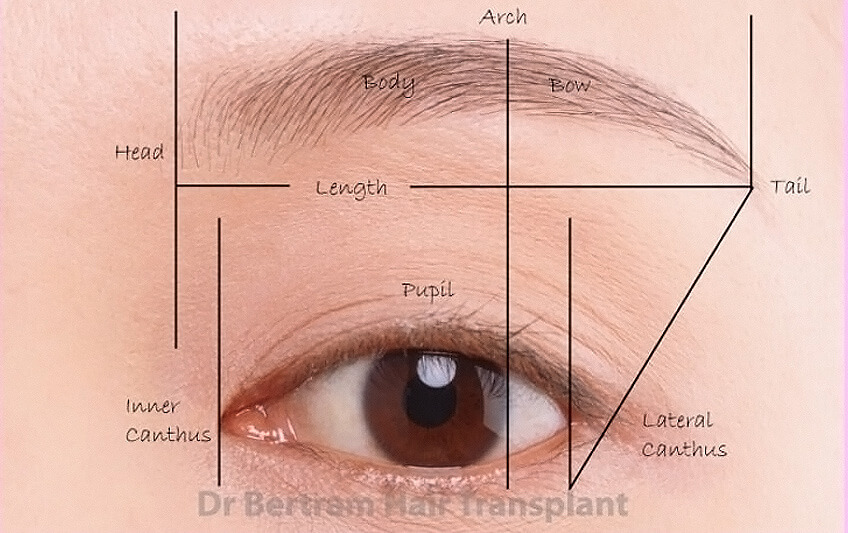
  • This design accounts for the ideal head, arch, and tail positions, ensuring the shape complements your face (e.g., oval, round, heart-shaped).

  • You are encouraged to take time, review the design, and even seek external feedback before finalizing—this step eliminates post-procedure regret.

Step 3- Surgical Precision Mapping

  • The head, arch, and tail of the brow are marked.
  • Once the design is approved, the brow outline is meticulously mapped onto your skin.

  • For ultimate accuracy, especially in cases of complete absence or significant asymmetry, light cosmetic tattooing (micropigmentation) can be used as a permanent surgical guide to ensure perfect symmetry and placement during the graft procedure

Step 4 - A Cool Down Period

Listen to What the patient wants, as we have to create eyebrows according to patients’ instruction. Allow a cool down period for them to consolidate what they want. 

Comfort & Safety During the Procedure

Your comfort is prioritized through a proven safety protocol:

  • Level I Conscious Sedation: The procedure is performed under local anesthesia with mild oral sedation. You are awake but relaxed, following international office-based surgery safety guidelines.

  • Painless Injection: We use ultra-fine needles (33G) and a slow injection technique to maximize comfort during anesthetic administration.

  • Finishing Touches: Once grafting is complete, the surgeon reviews the results with you and makes any final micro-adjustments to ensure symmetry and density meet the planned design.

Meticulous Donor Selection & Harvesting

Donor Selection:

  • Under magnification, we selectively harvest fine, single-hair grafts that match your natural brow hair texture and color.

FUE Graft Extraction

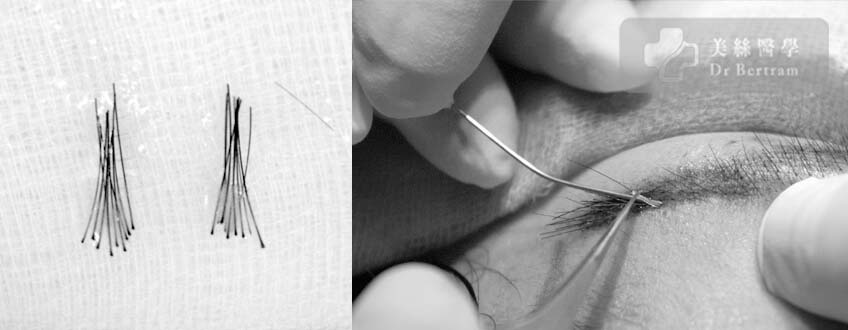
  • Using FUE with ultra-fine punches (0.7-0.8mm), the surgeon selectively extracts individual follicles, primarily from the nape of the neck or behind the ears, where hair caliber best mimics natural eyebrow hair.

  • Grafts are carefully sorted under a microscope to select the finest, most suitable hairs for creating a soft, feathered result.

Our 3D Stick & Place FUE Technique

We avoid the “flat” or “pluggy” look of outdated methods. Our refined process focuses on 3D naturalism:

  • Graft-by-Graft Placement: Instead of making all incisions first, we use the “Stick & Place” method. A tiny incision is made and the single-hair graft is immediately placed, allowing for precise control over angle and direction.

  • Mimicking Natural Growth: Each graft is inserted to follow the native eyebrow hair flow, creating a soft, feathered appearance.

  • Caliber Grading: Finer hairs are placed at the start and tail of the brow, with slightly more robust hairs at the arch, replicating natural anatomy.

Key Takeaways

  • Natural eyebrow transplants require an artistic, specialized approach distinct from standard hair transplant surgery.

  • Pre-operative design is critical for achieving facial harmony and preventing asymmetry—we involve you in this process.

  • Our 3D Stick & Place FUE technique places single-hair grafts one at a time to precisely control angle and direction, creating soft, feathered results.

  • The ideal donor hair comes from the fine nape or retroauricular area, not the standard scalp donor zone.

  • The procedure is performed under local anesthesia with a focus on patient comfort and safety, with no need for intravenous sedation.

🔍 Considering Eyebrow Restoration?

The first step is a surgeon consultation to design your ideal shape and assess your donor hair. Send clear, forward-facing photos of your eyebrows for a preliminary review. We can then schedule a consultation to map your personalized, natural-looking restoration.

36

MEDICAL - DISCLAIMERS

Images & Information shown are for reference only

Information on this website is provided for general educational purposes only and does not constitute personalized medical advice. It is not intended to promote our service or imply superiority over another.

Individual results in hair restoration vary significantly and no outcome can be guaranteed. The before-and-after images shown represent possible results — not promises. We recommend seeking independent medical advice to discuss your options … Read More

Pre-Consultation Review

Ensure You're a Good Candidate for hair transplant

Why pay for a consultation if you’re not a candidate? Start with our free WhatsApp assessment — the first step in our ‘No-Regret’ protocol to see if hair transplant is a realistic solution for your hair loss.

Still Have Questions ?

If you want to get a personalized answer from our medical team, you can reach us using this form here. We will cantact you as soon as possible.

Our Quality & Safety Standards

Our practice adheres to guidelines established by leading international organizations in Hair Restoration.

ISHRS

International Society of Hair Restoration Surgery is the leading global medical association that establishes international practice standards and patient safety protocols.

ABHRS

The American Board of Hair restoration Surgery represents the highest standard. To maintain rigorous certification requirements the physician must demonstrate surgical expertise.

WFI

Worls FUE InstituteI serves as the premier educational body focused exclusively on Follicular Unit Extraction methodology. The institute ensures consistent application of safe FUE.

This site is registered on wpml.org as a development site. Switch to a production site key to remove this banner.