
Pioneering Hair Transplant: Globally Recognized Contributions from Hong Kong
Home » Our Innovations – The Last 18 Years
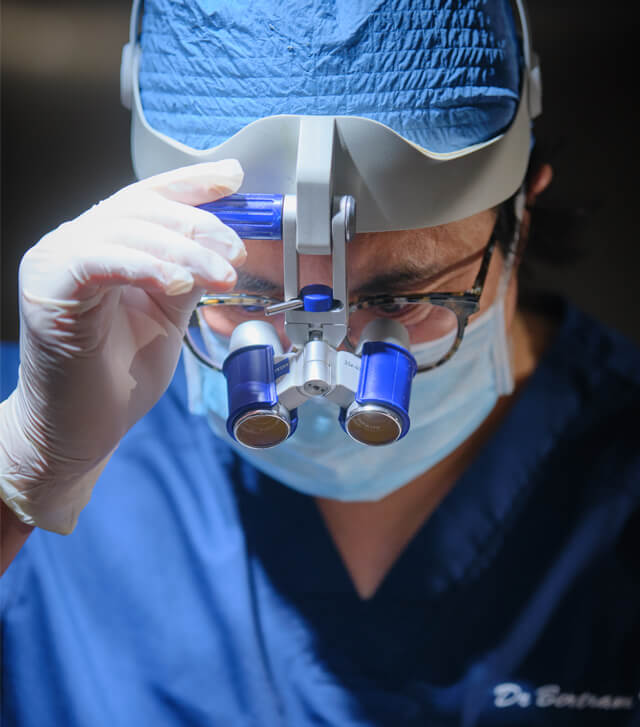
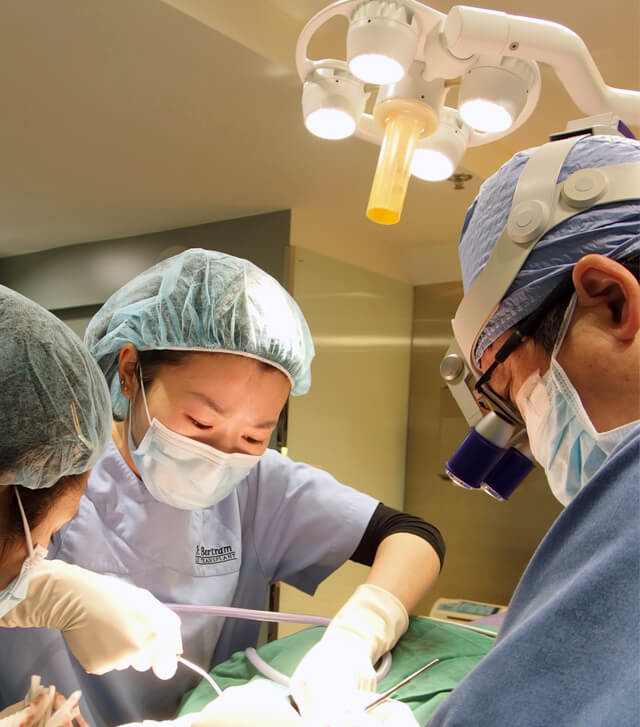
Through dedicated clinical research and a commitment to solving common surgical challenges, we have pioneered specific techniques that have been integrated into global standards. Our work, often presented and published first through the International Society of Hair Restoration Surgery (ISHRS), demonstrates that impactful innovation focuses on patient outcomes, not practice size or location.
 Sara’s Comment:
For over 18 years, our Hong Kong-based clinic has been a global contributor to hair restoration, developing and publishing techniques that enhance graft survival, comfort, and natural aesthetics. Our innovations—from laser-guided hairline design to a folliculitis prevention protocol—have been adopted worldwide and validated by international societies, reflecting our commitment to advancing patient care.
We are committed to continuously refine techniques for your best result. Creating a unique hair transplant technique benefits patients significantly. It ensures personalized procedures for optimal results, fosters ongoing advancements for top-notch care, and delivers superior outcomes that enhance patient satisfaction and confidence.
Our contributions address critical aspects of the procedure: planning, execution, graft health, and recovery.
Innovation: Invented a device to project a symmetrical hairline guide onto the scalp.
Impact: Revolutionized precision and speed in surgical planning. The concept remains the basis for laser-guided design tools used by surgeons worldwide today.
Reference :
Innovation: Developed a two-handed method for real-time, graft-by-graft extraction and adjustment during difficult FUE procedures.
Impact: Formally recognized and named by the ISHRS FUE Committee. Acknowledged in ISHRS literature as the first described technique of its kind, it provides a standard for managing complex extractions.
Reference :
Innovation: Challenged the then-universal practice of storing grafts in chilled saline, proposing room-temperature storage to avoid “cold injury.”
Impact: Our 2010 presentation preceded independent validation. A 2021 study by Dr. Beehner confirmed superior graft survival at room temperature (90.9% vs. 80.3%), supporting our early clinical insight.
Reference :
Innovation: Re-defined post-op folliculitis as primarily an inflammatory/foreign-body reaction, not an infection, advocating against routine prophylactic antibiotics.
Impact: Our protocol, emphasizing anti-inflammatory management, was accepted as a leading article in the ISHRS Forum in 2025, influencing safer, more rational post-operative care globally.
Innovation: A multi-step surgical and post-op protocol designed to eliminate post-operative facial swelling.
Impact: Achieving a 0% incidence of noticeable facial edema in FUE patients over 24 consecutive months (2024-2025), setting a benchmark for comfortable, discreet recovery.
Reference :
A practice engaged in innovation is inherently focused on improvement. Our role as developers means:
You Benefit from Refined Techniques: You receive care informed by proven, peer-reviewed methodologies we helped create.
Commitment to the Highest Standards: Publishing and presenting work requires rigorous documentation and invites global scrutiny, ensuring our clinical standards meet international benchmarks.
Focus on Biological Outcomes: Our research is consistently directed at preserving graft viability and improving patient experience, aligning directly with your long-term results and comfort.
A History of Firsts: Our clinic has pioneered and published multiple techniques—from the Sequential FUE method to folliculitis management—that have influenced global practice.
Evidence-Based Development: Our innovations are presented at major conferences and published in peer-reviewed journals, with some independently validated years later.
Solving Practical Problems: Each contribution addresses a real surgical or recovery challenge, directly aiming to improve graft survival, aesthetic precision, and patient comfort.
Global Recognition from Hong Kong: Despite our location, we have achieved formal recognition from the ISHRS, demonstrating that surgical excellence and innovation are universal.
Experience care shaped by a legacy of surgical refinement. Consult with a team dedicated to advancing hair restoration science, not just performing procedures. Discuss how our developed techniques contribute to a personalized, high-precision plan for your result.

Images & Information shown are for reference only
Information on this website is provided for general educational purposes only and does not constitute personalized medical advice. It is not intended to promote our service or imply superiority over another.
Individual results in hair restoration vary significantly and no outcome can be guaranteed. The before-and-after images shown represent possible results — not promises. We recommend seeking independent medical advice to discuss your options … Read More
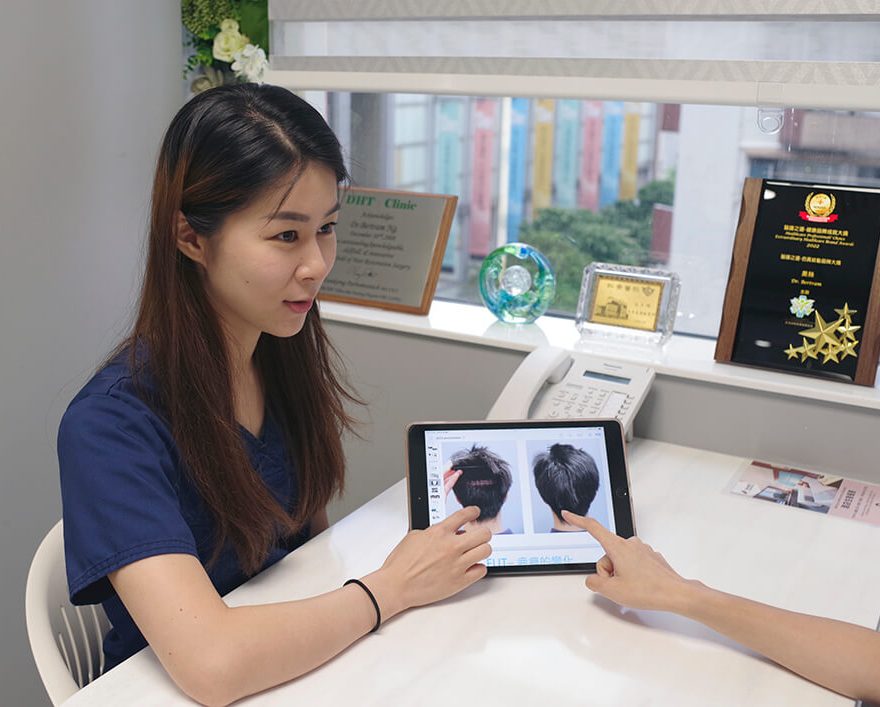
Pre-Consultation Review
If you want to get a personalized answer from our medical team, you can reach us using this form here. We will cantact you as soon as possible.
Our practice adheres to guidelines established by leading international organizations in Hair Restoration.
International Society of Hair Restoration Surgery is the leading global medical association that establishes international practice standards and patient safety protocols.
The American Board of Hair restoration Surgery represents the highest standard. To maintain rigorous certification requirements the physician must demonstrate surgical expertise.
Worls FUE InstituteI serves as the premier educational body focused exclusively on Follicular Unit Extraction methodology. The institute ensures consistent application of safe FUE.
