Understanding Candidacy
Home » Who Needs Hair Transplant

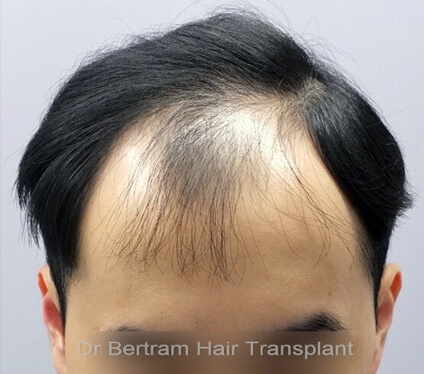
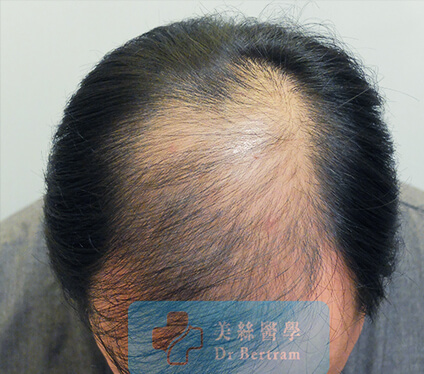
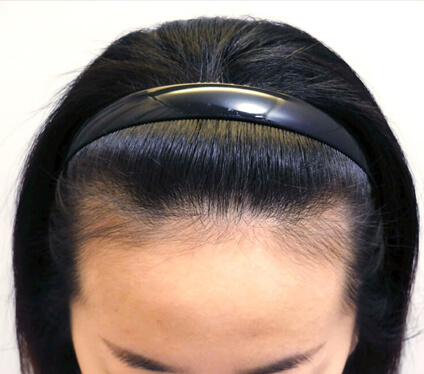
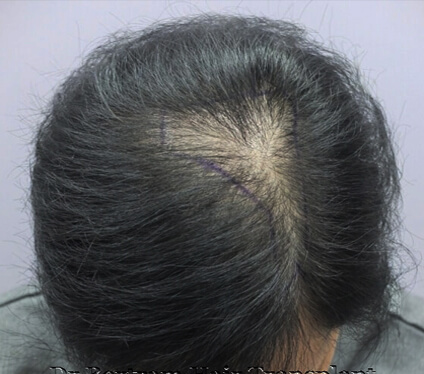
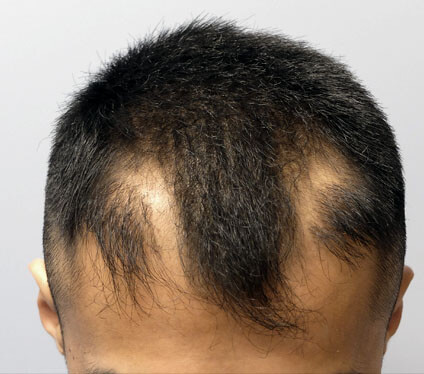
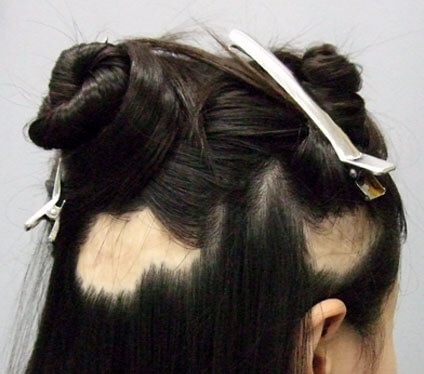
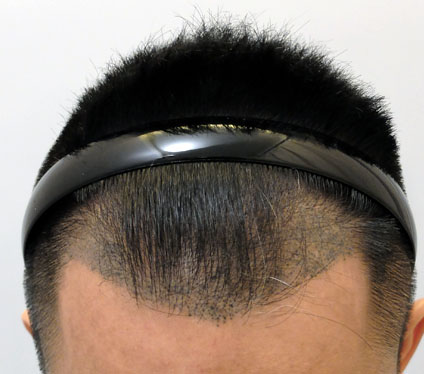
Not everyone experiencing hair loss is automatically suited for a hair transplant. The ideal candidate is someone with permanent hair loss, such as the followings, and has a sufficient supply of healthy donor hair at the back or sides of the scalp.
Last Updated: 6 Nov 2025
A good candidate typically :
Hair Transplant can restore hair and appearance in the following categories :
You may be an excellent candidate if you :
✅ Have stable, non-progressive eyebrow loss ( unchanged for at least 12 months )
✅ Possess a healthy donor area — ideally with fine, straight, light-to-medium pigmented hair from the occipital scalp that matches natural brow texture
✅ Are in good general health with no active inflammatory or autoimmune conditions
✅ Understand that transplanted hairs grow like scalp hair and require regular trimming ( every 1–2 weeks )
✅ Hold realistic expectations about symmetry, density, and long-term maintenance
Examples include :
Some patients can still achieve satisfying results — but only after careful planning, medical optimization, or adjusted expectations:
🔸 Controlled medical conditions : Thyroid disorders, iron deficiency, or anemia must be stabilized before surgery
🔸 Scalp inflammation : Active seborrheic dermatitis or psoriasis needs treatment prior to harvesting
🔸 Previous microblading/tattoos : Must be fully faded or removed ( laser preferred ) to avoid pigment interference
🔸 Mild-to-moderate scarring : May benefit from pre-treatment with fractional laser to boost blood flow
🔸 Younger patients (<25) : Considered only after psychological evaluation and confirmation of stable, non-progressive loss
These individuals face significant challenges that often outweigh potential benefits :
❌ Unrealistic expectations : Seeking “perfect” symmetry or refusing post-op grooming
❌ Body dysmorphic disorder (BDD) : Persistent dissatisfaction despite objective improvement
❌ Keloid or hypertrophic scarring history — especially on the face
❌ Coarse, curly, or very dark donor hair that cannot blend naturally with fine brow hairs
Eyebrow transplantation is not recommended if you have :
🟥 Active frontal fibrosing alopecia – a progressive scarring condition that will destroy new grafts
🟥 Uncontrolled autoimmune disease (e.g., active alopecia areata, lupus)
🟥 Active skin infections (bacterial, viral like herpes, or fungal) in donor or recipient areas
🟥 Uncontrolled diabetes (HbA1c >8.0%) – impairs healing and increases infection risk
🟥 Bleeding disorders or inability to safely pause anticoagulants
🟥 Immunosuppression from chemotherapy, high-dose steroids, or biologics
🟥 Pregnancy or lactation – due to hormonal shifts and medication restrictions
🟥 Documented poor wound healing or prior wound dehiscence
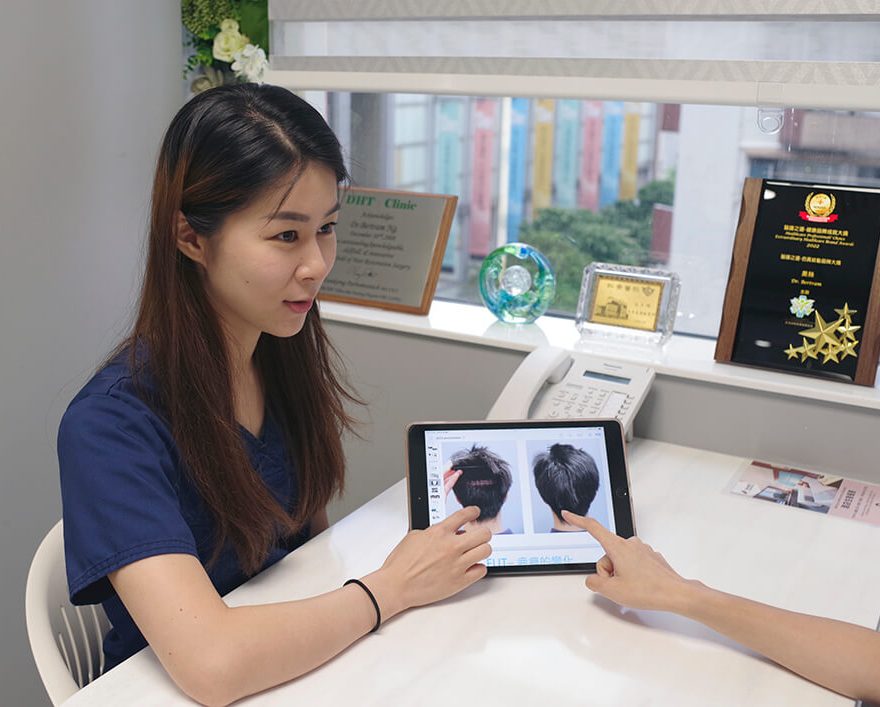
At Dr. Bertram Hair Transplant, we never assume you need surgery. Instead, we begin with a comprehensive evaluation of your medical history, scalp health, donor supply, and aesthetic goals. Only then do we determine if eyebrow transplantation is truly right for you.
Because when it comes to your face — precision, safety, and artistry must come before profit.
Permanent brows. Natural results. Zero compromises.
conditions of use
Information provided on this website is for educational purposes only and is not intended as medical advice. It should not be interpreted as promotional material or as claims of superiority over other techniques or providers.
Individual results may vary, and no outcome can be guaranteed. Always consult with a qualified healthcare professional before making any decisions about medical treatment.
Pre-Consultation Review
If you want to get a personalized answer from our medical team, you can reach us using this form here. We will cantact you as soon as possible.
Our practice adheres to guidelines established by leading international organizations in Hair Restoration.
International Society of Hair Restoration Surgery is the leading global medical association that establishes international practice standards and patient safety protocols.
The American Board of Hair restoration Surgery represents the highest standard. To maintain rigorous certification requirements the physician must demonstrate surgical expertise.
Worls FUE InstituteI serves as the premier educational body focused exclusively on Follicular Unit Extraction methodology. The institute ensures consistent application of safe FUE.