
Who Needs SMP

Is Scalp Micropigmentation ( SMP ) good for everyone?

Applications of SMP

Last Updated: 6 Nov 2025

Our Scalp Micropigmentation helps to improve appearance of patients suffer from the following 4 conditions :

1. Skin Disease

2. Hair Loss

3. Add-On Density after Hair Transplant

4. Scalp Scar Revision

Sara’s Comment

Scalp Micropigmentation (SMP) is a non-surgical cosmetic technique that uses micro-needles to deposit pigment into the scalp, creating the appearance of short hair stubble or increased density. SMP is not a tattoo — it’s a medical-grade technique that requires precision and experience. 

Content-index

SMP Application 1 - Skin Disease

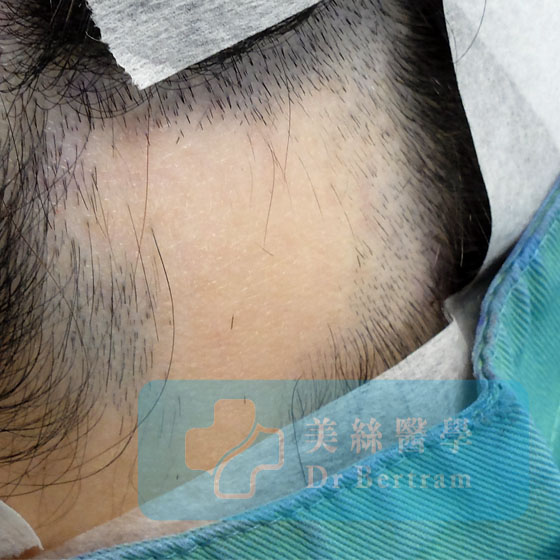
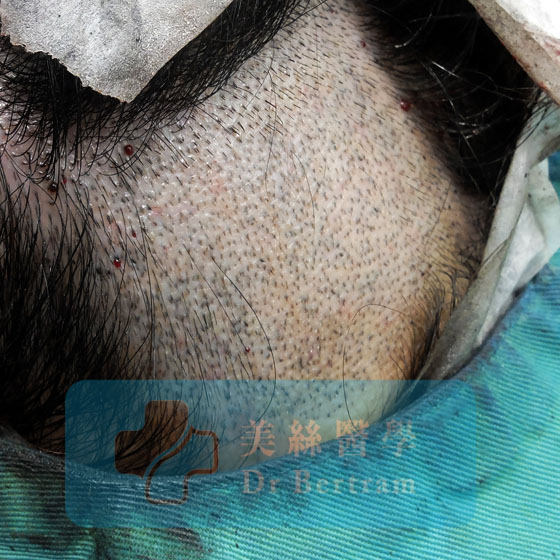
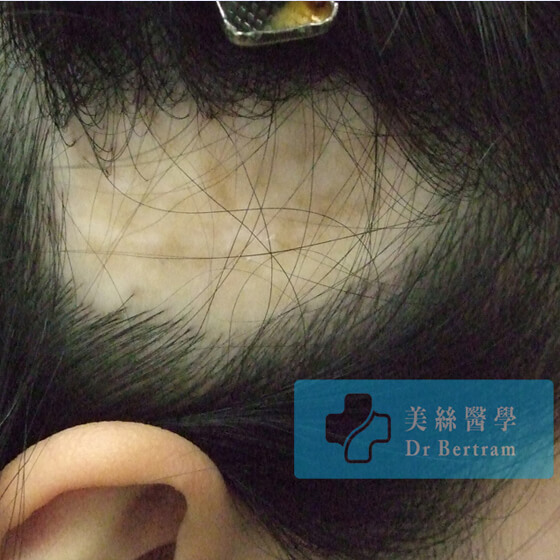
  • SMP can recreate the appearance of follicles in shiny bald patches left by skin diseases such as lichen planopilaris or discoid lupus erythematosus (DLE) to reduce contrast and improve cosmetic appearance .
  • It usually only needs one session for satisfactory coverage. Under normal circumstances the color will last 3 to 4 years before any need for re-coloring.
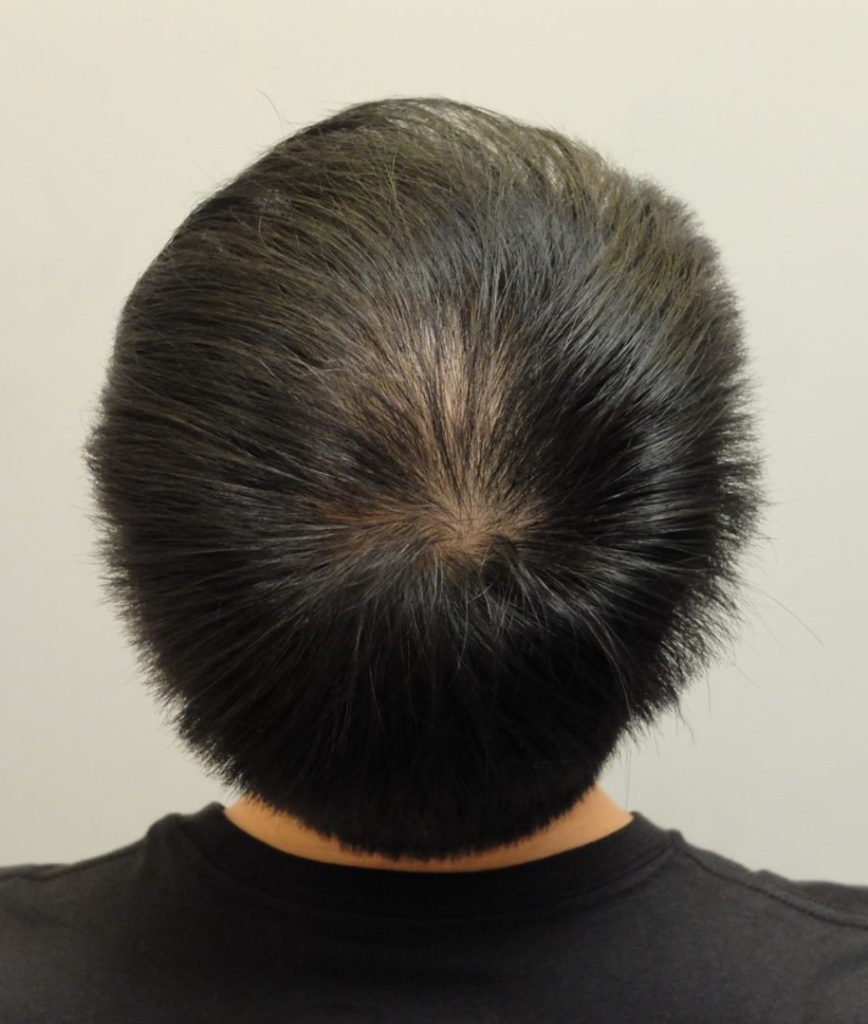
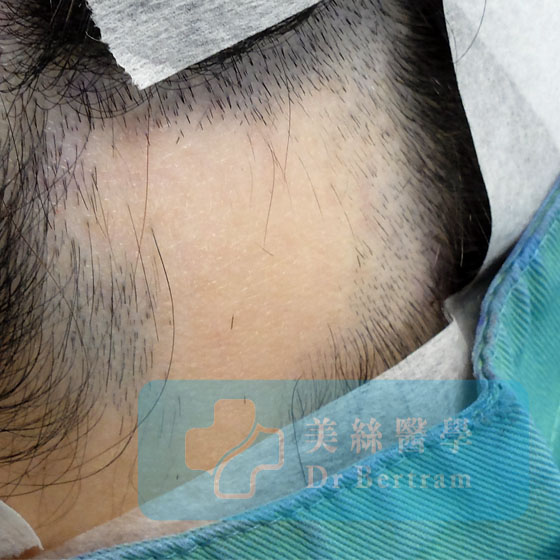
Alopecia Areata - Before SMP
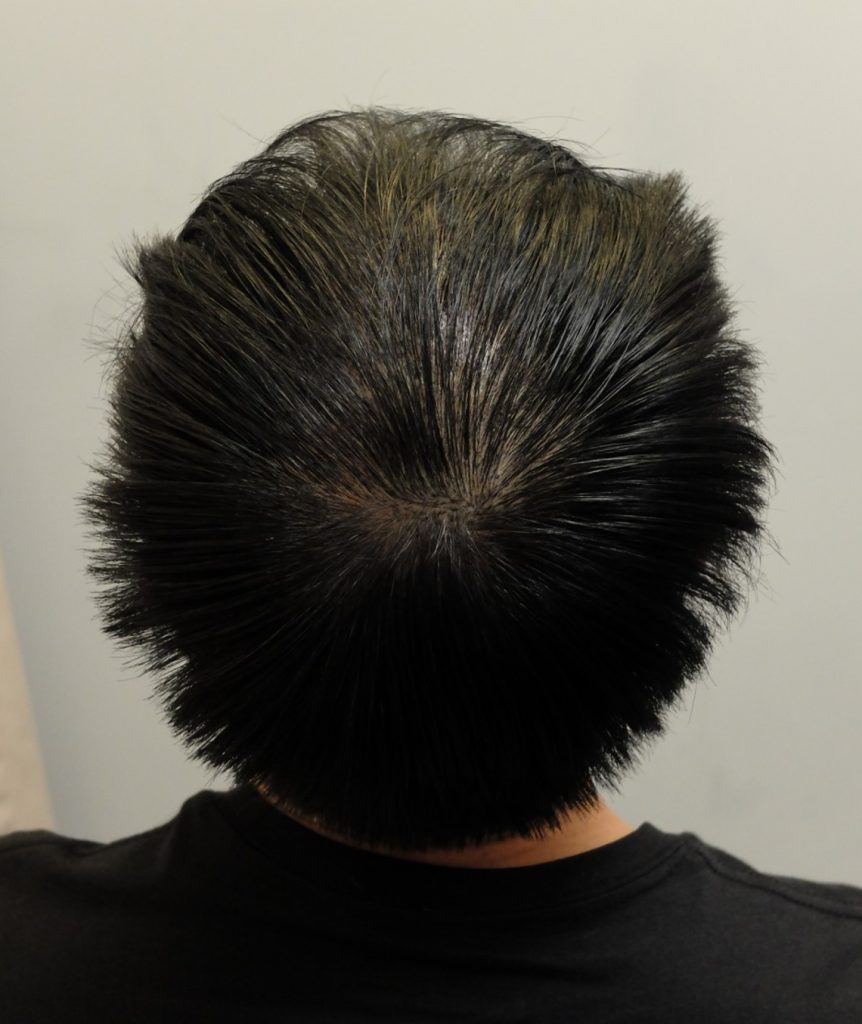
After SMP

SMP Application 2 - Hair Loss

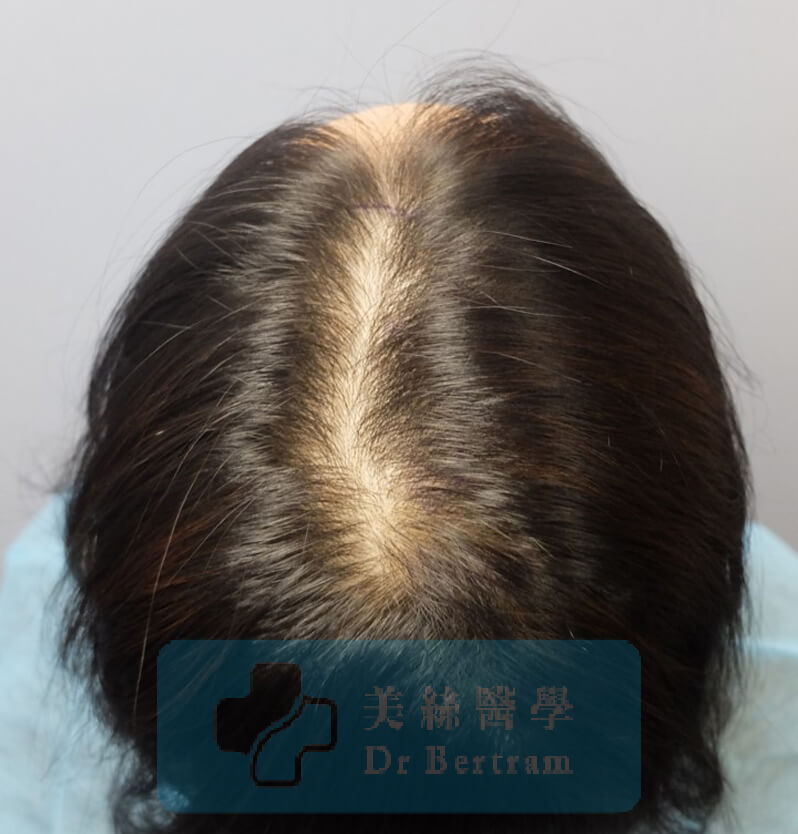
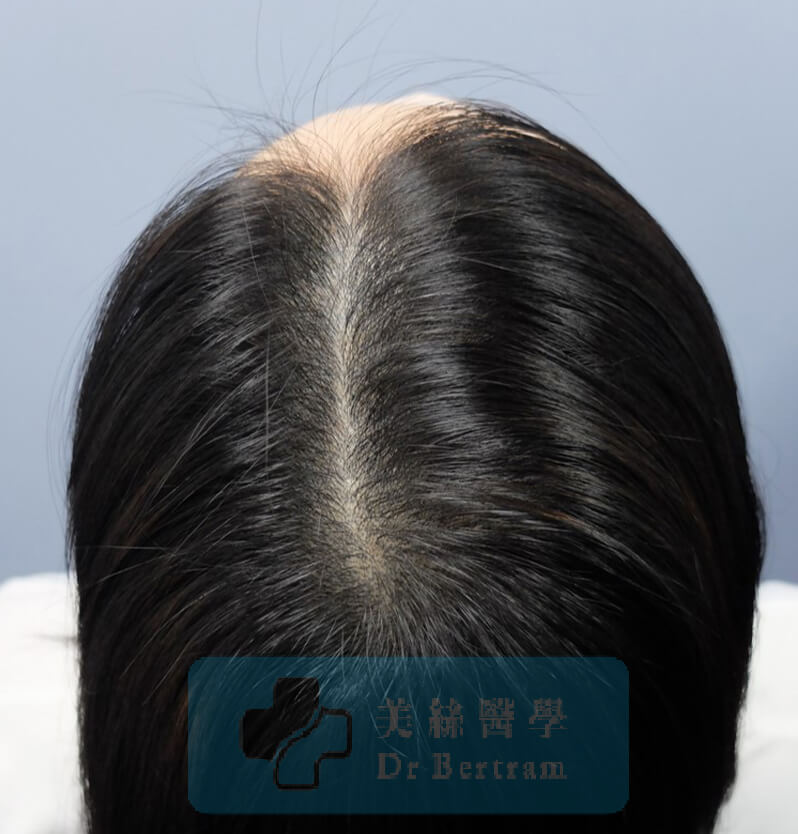
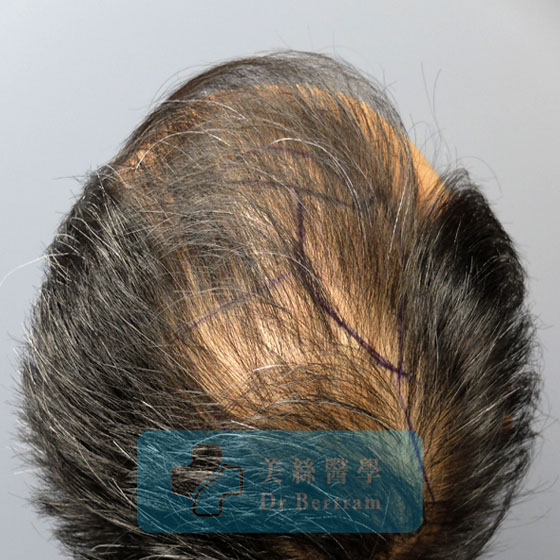
Scalp Micropigmentation (SMP) is a highly effective solution for men and women experiencing hair thinning. It  enhances the visual density of existing hair by darkening the scalp where hair has become sparse.

Using natural pigment and precision microneedles, our practitioners place thousands of tiny dots between the thinning hairs. These impressions reduce the contrast between hair and scalp, making the hair appear fuller and thicker.

SMP is especially useful when there isn’t enough donor hair for surgery, or when thinning is widespread.

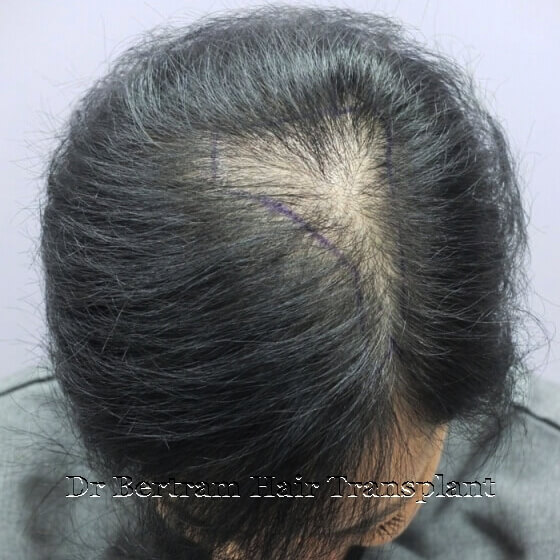
Female Pattern Hair Loss - Before SMP
After SMP

SMP Application 3 - Add-On-Density After Hair Transplant

While not a replacement for actual hair growth, SMP has become a powerful complementary tool in modern hair restoration—especially when used alongside hair transplantation.

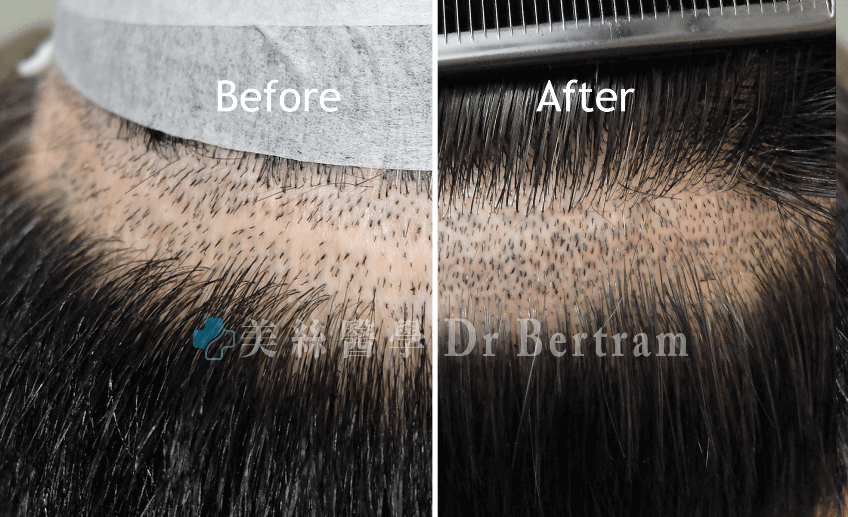
Before SMP
After SMP

3.1 - Enhancing Results After Hair Transplantation

Even with successful hair transplant surgery, some patients may still desire greater visual density, particularly in areas where graft placement is limited by donor supply or scarring. In these cases, SMP can be applied after full healing (typically 6–12 months post-op) to:

  • Fill in sparse gaps between transplanted hairs
  • Camouflage visible scalp, especially under bright light or in short hairstyles
  • Create the illusion of a fuller hairline or thicker crown
  • Blend transplanted zones seamlessly with surrounding native (or thinning) hair


The result is a more uniform, natural-looking coverage that maximizes the aesthetic impact of the transplant—without requiring additional surgery.

3.2 - Combined SMP and Hair Transplant in a Single Treatment Plan

For patients with extensive hair loss ( e.g., Norwood VI–VII ) or limited donor reserves, performing SMP in conjunction with hair transplantation offers a strategic advantage:

  • Transplanted hairs are placed in key focal areas ( e.g., frontal hairline, temples ) to provide real, growing hair where it matters most
  • SMP is used simultaneously — or in a closely staged session — to cover large bald areas  (such as the mid-scalp or crown ), reducing contrast and enhancing overall fullness
  • This hybrid approach allows for dramatic visual improvement even when full surgical coverage isn’t possible

When planned together from the outset, SMP and hair transplant can be artistically coordinated — matching pigment tone to hair color and aligning dot patterns with natural hair direction — for a cohesive, undetectable finish.

3.3 - A Note on Timing & Technique

  • If done after transplant : SMP should only be performed once the scalp is fully healed and stable ( usually ≥6 months ).
  • If done concurrently : SMP is typically applied to non-transplanted zones during the same visit, avoiding direct trauma to fresh grafts. Some surgeons prefer staging SMP 3–6 months post-op for optimal precision.

Together, hair transplantation and SMP form a synergistic duo — combining the authenticity of real hair with the artistry of optical illusion to deliver confidence, versatility, and natural-looking results.

SMP Application 4 - Scar Repair

4.1 - FUT Donor Scar

SMP is one of the most effective ways to conceal the linear scar left behind by traditional FUT (strip) hair transplant surgery. While the FUT technique provides excellent graft yield, the resulting scar can be noticeable, especially when the hair is short or if the scar has widened over time.

With SMP, tiny pigment dots are skillfully applied along the scar line to mimic surrounding hair follicles. This helps the scar blend in with the rest of the scalp, making it far less visible, even under close inspection.

SMP can be combined with hair transplant or used alone, and is ideal for patients who want to wear their hair shorter but feel limited by the visibility of their FUT scar. 

FUT Scar - Before SMP

4.2 - FUE Scars (Follicular Unit Extraction)

  • FUE leaves small circular punch scars scattered across the donor area. SMP fills in the gaps with pigment dots, blending the tiny scars with surrounding hair follicles.

4.3 - Hair Transplant Plug Scars

  • Older transplant methods (e.g., “hair plugs”) often leave noticeable round scars. SMP can disguise these, creating a more uniform look.

4.4 - Trauma or Surgical Scars

  • Scars from accidents, burns, or surgical procedures ( e.g., neurosurgery, mole removal ) can be visually softened and blended with SMP.

4.5 - Self-Induced Scar - Traction Alopecia

  • Prolonged braiding or constant pulling the hair backwards can damage the hair follicles, cause hair loss, and move the hairline upwards. SMP can offer a resolution under good hands.
  • SMP might also be helpful for people pulling their hair (Trichotillmania ) when hair transplant is contra-indictaed.

4.6 - Radiation or Chemotherapy Scars

  • Post-radiation fibrosis or patchy scarring from cancer treatment can be camouflaged with pigment matched to the natural hair color.

Who Should Consider SMP ?

SMP is suitable as an alternative to hair transplant for most types of hair loss in men and women. SMP can also be used to enhance the result of hair transplant, and to conceal any types of scalp scars. There are many good candidates for SMP:

SMP is a good option 

  • Men or women with thinning hair – to make hair appear fuller, especially men who want to shave their head with the appearance of a cool cut; Women with thinning hair are great candidates for this type of procedure.
  • People with complete baldness – to give the appearance of a closely shaved scalp.
  • Patients with scars – especially from FUT hair transplants or injury, to camouflage the scar.
  • Those not suitable or not want to have hair transplant – such as patients with limited donor hair, underlying autoimmune diseases like alopecia areata; 
  • To compliment the result of hair transplant – by adding “density”

Who Should Not Consider SMP ?

  • People with scalp acne or other skin sensitives – like psoriasis should avoid getting SMP during a breakout or flare-up, as it will be difficult to apply pigment to the inflamed areas..

  • Those prone to developing keloids – may also not be a good candidate for SMP.

36

conditions of use

Medical Disclaimer

Information provided on this website is for educational purposes only and is not intended as medical advice. It should not be interpreted as promotional material or as claims of superiority over other techniques or providers.

Individual results may vary, and no outcome can be guaranteed. Always consult with a qualified healthcare professional before making any decisions about medical treatment.

Pre-Consultation Review

Ensure You're a Good Candidate for hair transplant

Why pay for a consultation if you’re not a candidate? Start with our free WhatsApp assessment — the first step in our ‘No-Regret’ protocol to see if hair transplant is a realistic solution for your hair loss.

Still Have Questions ?

If you want to get a personalized answer from our medical team, you can reach us using this form here. We will cantact you as soon as possible.

Our Quality & Safety Standards

Our practice adheres to guidelines established by leading international organizations in Hair Restoration.

ISHRS

International Society of Hair Restoration Surgery is the leading global medical association that establishes international practice standards and patient safety protocols.

ABHRS

The American Board of Hair restoration Surgery represents the highest standard. To maintain rigorous certification requirements the physician must demonstrate surgical expertise.

WFI

Worls FUE InstituteI serves as the premier educational body focused exclusively on Follicular Unit Extraction methodology. The institute ensures consistent application of safe FUE.

This site is registered on wpml.org as a development site. Switch to a production site key to remove this banner.