
Dr Bertram – Restoring Natural Hairlines After Cosmetic Complication
Home » Failed SMP Repair – Surgical Plan
Last Updated: 6 Nov 2025
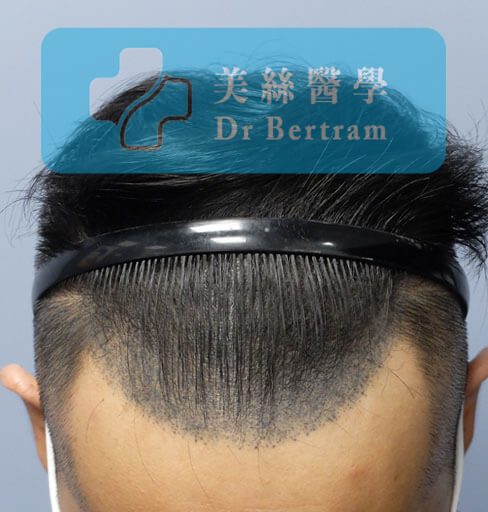
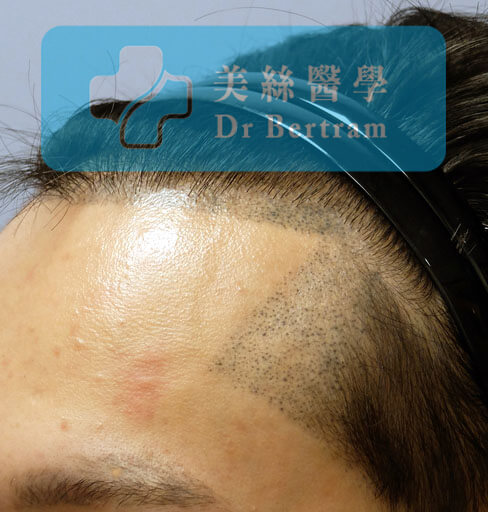
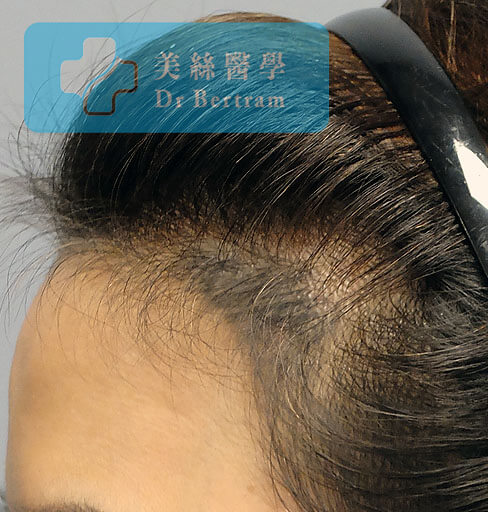
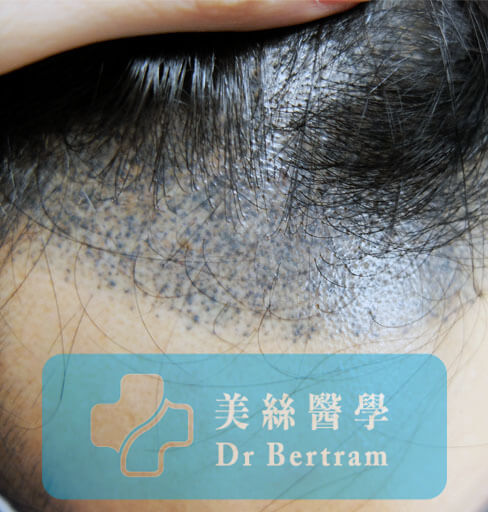
A failed scalp micropigmentation (SMP) case refers to any outcome that falls short of delivering a natural, consistent, and satisfying cosmetic result. These failures may arise from poor technique, inappropriate planning, or improper pigment use.
Premature fading due to :
Scalp Micropigmentation (SMP) has surged in popularity as a non-surgical option for camouflaging hair loss. However, in many countries — including Hong Kong and China — there are no official regulations governing who can perform SMP.
As a result, the industry is flooded with poorly trained technicians, many of whom operate out of hair salons or beauty centers without any formal medical or dermatological background.
Most of these providers treat SMP like traditional body tattooing. They use the same tools, pigments, and methods designed for skin art — not for the sensitive and curved surface of the scalp. Without medical knowledge of hair anatomy, pigmentation depth, and scalp health, mistakes are not just common — they are expected.
SMP is a visual illusion, and when done right, it should mimic the subtle shadows of hair follicles. However, many failed SMP cases share common traits:
The biggest mistake is using SMP alone to recreate a bald top or frontal hairline where no real hair exists. In such cases, the illusion breaks down quickly because SMP offers no texture, no depth, and no reflection like real hair does. In overhead lighting or sunlight, the difference is obvious, making the result look more like a painted scalp than real density.
Even worse, when patients later decide to pursue a hair transplant, previous SMP in the wrong zone (especially on the hairline) makes the correction process more complicated and visible.
Unlike medical hair transplant surgery — where international organizations like the ISHRS or ABHRS offer structured training and certification — there is no governing body ensuring quality standards in SMP. Each practitioner invents their own method, and client safety, hygiene, pigment quality, and design artistry vary wildly.
This lack of regulation leads to :
As more people seek SMP as a quick fix or affordable option, demand has skyrocketed—but so has the number of botched jobs. The surge in poorly executed SMP cases reflects the gap between consumer expectations and technical ability.
For patients considering SMP, it’s critical to :
These cases can often be successfully corrected with hair transplantation :
These require caution and proper evaluation before proceeding :
Suggests underlying skin incompatibility with trauma — hair transplant may exacerbate the condition
Surgery is not recommended in these scenarios :
Suggests underlying skin incompatibility with trauma — hair transplant may exacerbate the condition
To remove these unnatural lines and pigments, we do not recommended using lasers. This may inflict damage to the skin and underlying hair follicles, and leave scars on the forehead as well as causing hair loss.
We would recommend considering hair transplants to repair. The effect according to our experience is more natural. As we make use of the original SMP shading effect, less number of grafts will needed to be transplanted. Whether to use FUE or FUT depends on the areas for repair and personal preference.
Depends on area and severity of the prior failure. Usually:
1–2 sessions depending on:
conditions of use
Information provided on this website is for educational purposes only and is not intended as medical advice. It should not be interpreted as promotional material or as claims of superiority over other techniques or providers.
Individual results may vary, and no outcome can be guaranteed. Always consult with a qualified healthcare professional before making any decisions about medical treatment.
Pre-Consultation Review
If you want to get a personalized answer from our medical team, you can reach us using this form here. We will cantact you as soon as possible.
Our practice adheres to guidelines established by leading international organizations in Hair Restoration.
International Society of Hair Restoration Surgery is the leading global medical association that establishes international practice standards and patient safety protocols.
The American Board of Hair restoration Surgery represents the highest standard. To maintain rigorous certification requirements the physician must demonstrate surgical expertise.
Worls FUE InstituteI serves as the premier educational body focused exclusively on Follicular Unit Extraction methodology. The institute ensures consistent application of safe FUE.