
Eyebrow Transplant – Recovery & Aftercare

Committed to Complication-Free Eyebrow Restoration

Wound Care protocol

Last Updated: 6 Nov 2025

Adherence to post-operative instructions is crucial for graft survival and optimal healing.

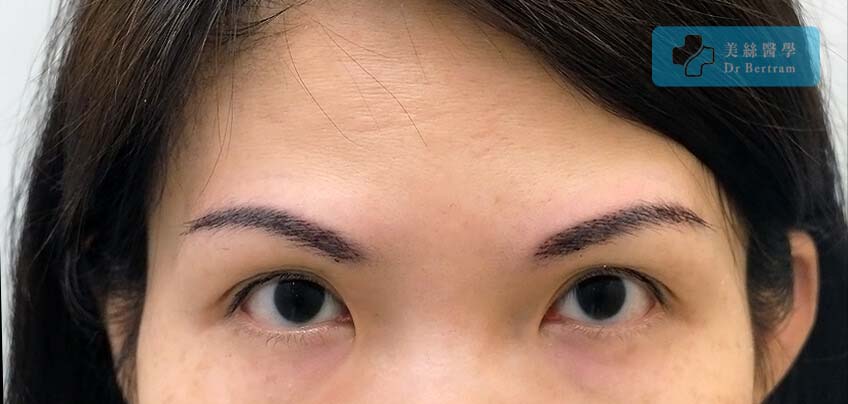
The next day after eyebrow transplant. Expect some swelling and redness.

The First Week

  • Avoid touching : Avoid touching or rubbing the transplanted area to prevent dislodging the grafts.
  • Sleeping position : If possible, sleep with your head elevated with an extra pillow to reduce swelling.
  • Cleaning : Gently clean the transplanted area with mild, non-irritating soap to prevent infection and remove crusting.
  • Moisture : Keeping the area moist with an ointment if provided to reduce itching.
  • Avoid sweat and water : Keep the area dry and avoid heavy sweating and direct water exposure (like showers hitting the face directly).
  • Avoid makeup and dyes : Do not use makeup or attempt to dye the new eyebrows until fully healed or as directed.
  • Medications : Follow any prescribed medication routine, or mild painkillers if prescribed. No antibiotic is required.

The Second Week

  • Sun exposure: Avoid direct sun exposure to the transplanted area. Use hats or stay in the shade to protect the eyebrows during the healing process.
  • Activity restrictions: Limit activities that might increase blood pressure or lead to excessive sweating.


Each clinic may have slight variations in their aftercare advice, so it’s always best to follow the specific instructions provided by the transplant surgeon.

Follow-up visits

  • Follow-ups are scheduled the next day, after 1 week, and then after 3 months.
  • Attend scheduled follow-up appointments with your surgeon to monitor the healing process and get further advice tailored to your recovery.

Smoking and Alcohol

  • Avoid drinking alcoholic beverages for the first two days after your procedure. Alcohol thins the blood and may cause bleeding or bruising.
  • Please cut down on smoking for at least a week after your surgery. Too much nicotine will cut down on blood supply and affect graft survival.

Follow-up visits

  • Unlike scalp transplants, many eyebrow grafts do not shed.
  • Visible results are often seen within 4 months, with full evaluation recommended at 6 months before considering any touch-up procedures.

Content-index

Trimming the Transplanted Eyebrows

You can trim your transplanted eyebrows around 2-4 weeks post-procedure, based on your doctor’s advice and healing progress.

Ensure the area is fully healed with no irritation before trimming. Use clean scissors or an electric trimmer on a safe setting to maintain shape and appearance. Be gentle to avoid dislodging the new hairs, which are still stabilizing in their new positions.

Initially, transplanted hairs grow longer and faster, requiring frequent trimming. After six  months, their growth rate slows down.

Potential Complications

Edema & Ecchymosis

Temporary swelling and bruising typically resolving within 5-7 days with proper head elevation and cold compresses.

Folliculitis

Minor inflammation around new hairs managed with warm compresses and topical antibiotics if necessary.

Temporary Numbness

Expected due to superficial nerve trauma, with full sensation returning within several months.

Growth Direction Issues

Meticulous surgical technique minimizes improper angulation; minor corrections possible in subsequent sessions.

Overgrowth

Transplanted hairs will grow like scalp hair and require regular trimming, which can typically begin 2-4 weeks post-procedure once healed.

Unnatural Appearance

Prevented through adherence to natural eyebrow anatomical principles and conservative density planning.

Keloid Formation

Rare but more common in predisposed individuals, managed with early steroid intervention if occurring.

No 100% Perfect Result Guaranteed

Despite our most meticulous efforts, achieving 100% natural replication remains challenging due to fundamental differences in hair characteristics between donor scalp hair and natural eyebrow hair.

The technical limitations of insertion angles present particular challenges, as the most acute angle achievable surgically is approximately 35 degrees, while natural eyebrow hairs often emerge at much shallower angles of 5-15 degrees from the skin surface.

Important Clinical Considerations

As with any medical procedure, a thorough understanding of the process and outcomes is essential.

Realistic Expectations

  • The goal is a significant and natural-looking improvement, not necessarily perfection.
  • The final design should be carefully considered and agreed upon before the procedure.

Lifestyle Factors

  • Patients are advised to avoid alcohol for 48 hours and reduce smoking for at least one week post-surgery to support healing and graft survival.

Consultation for Procedures

For individuals seeking information about our procedure, an initial online assessment is available through our Whatsapp contact. The medical team at Dr Bertram Hair Transplant provides a factual assessment of your condition and discusses potential treatment approaches. A formal consultation with a medical doctor is important to ensure any surgical intervention is appropriate.
36

conditions of use

Medical Disclaimer

Information provided on this website is for educational purposes only and is not intended as medical advice. It should not be interpreted as promotional material or as claims of superiority over other techniques or providers.

Individual results may vary, and no outcome can be guaranteed. Always consult with a qualified healthcare professional before making any decisions about medical treatment.

Pre-Consultation Review

Ensure You're a Good Candidate for hair transplant

Why pay for a consultation if you’re not a candidate? Start with our free WhatsApp assessment — the first step in our ‘No-Regret’ protocol to see if hair transplant is a realistic solution for your hair loss.

Still Have Questions ?

If you want to get a personalized answer from our medical team, you can reach us using this form here. We will cantact you as soon as possible.

Our Quality & Safety Standards

Our practice adheres to guidelines established by leading international organizations in Hair Restoration.

ISHRS

International Society of Hair Restoration Surgery is the leading global medical association that establishes international practice standards and patient safety protocols.

ABHRS

The American Board of Hair restoration Surgery represents the highest standard. To maintain rigorous certification requirements the physician must demonstrate surgical expertise.

WFI

Worls FUE InstituteI serves as the premier educational body focused exclusively on Follicular Unit Extraction methodology. The institute ensures consistent application of safe FUE.

This site is registered on wpml.org as a development site. Switch to a production site key to remove this banner.