
什麼會損害或殺死植髮毛囊?

植髮的成功與否取決於毛囊存活率

專注植髮 20 年:每一過程均由香港註冊醫生親自監管主理

甚麼是毛囊存活率?

植髮的成功與否取決於毛囊存活率——即移植後能永久生長的毛囊百分比。毛囊是活體組織,可能因人為失誤(H 因素) 與生物性壓力源(X 因素) 而受損或壞死。一旦毛囊受損,便無法再生。保護毛囊需要在每個階段都做到:細緻的手術技術、嚴格的無菌流程,以及患者精確的術後護理。

損害或殺死毛囊的兩大主因為:「H 因素」(人為/程序錯誤) 與「X 因素」(生物性壓力源)。這些問題可能發生在提取、保存、植入或癒合的任何階段。由於人一生的供體毛囊總數固定且不可替代,因此最大化存活率是倫理植髮的最高目標。

Sara 點評

人自出生後,不會再新增毛囊。手術的每個步驟都應精心設計,以最大化毛囊存活率,確保每個移植的毛囊都有最佳機會健康生長、維持終生。

內容目錄

何謂「X 因素」(生物性壓力源)?

X 因素是亞臨床生物性損傷,未必肉眼可見,卻會損害毛囊存活率。目前,大多數不明原因的生長不良皆由此導致。

  • 再灌注損傷:血液供應重新建立時,毛囊因氧化作用受損。

  • 過熱與脫水:術後關鍵首週,在新血液循環穩定之前發生。

  • 微發炎:過度或延長的發炎反應,傷害毛囊健康。

  • 自體排斥:移植組織引發的罕見免疫反應。

何謂「H 因素」(人為/程序錯誤)?

H 因素指因違反手術程序,或患者未遵指引所造成的可預防損傷。

術前 H 因素:潛在體質或生活習慣風險

  • 受區血液循環不良:疤痕或血管問題,影響移植區血流。

  • 健康狀況未受控:吸菸、糖尿病失控或營養不良,妨礙癒合。

術中 H 因素(最關鍵階段)

  • 脫水:毛囊暴露空氣中,未能充分保濕。

  • 物理創傷:毛囊受擠壓、切割或過度碰觸。

  • 儲存不當:使用非生理性保存液或極端溫度(低溫損傷)。

  • 體外時間過長:毛囊植入前離開身體太久。

術後 H 因素:

  • 患者未遵指引:未按術後指示照顧(如搔抓、曝曬、劇烈活動)。

  • 物理創傷:受區直接受外力撞擊。

  • 感染:傷口護理不當,導致毛囊炎。

為何毛囊存活率是最重要的指標?

  • 供體資源有限:您擁有的永久性供體毛囊數量固定且不可再生。浪費即是永久損失

  • 直接影響最終效果:存活率決定密度。研究顯示,至少 85% 存活率方能達到理想美觀效果。

  • 影響未來手術與疤痕:首次手術存活率高,能為將來保留更多供體毛囊,並可能縮小 FUT 取髮疤痕。

  • 決定真實成本:診所按移植毛囊數收費,而非按成功生長數。低存活率將大幅提高每根存活毛囊的真實成本

對比分析:低存活率的隱形成本
  • 中心A(損傷率20%):每根存活毛囊實際支付 31 美元。

  • 中心B(損傷率2%):每根存活毛囊實際支付 25.5美元

  • 結論:技術水平較低(切割/損傷率較高)的診所,實際上更昂貴,因為您為未能生長的毛囊付費。

健康毛囊如何癒合與重建血供?

了解此生物過程,方能明白技術為何至關重要。

  • 第 1-3 天:毛囊處於缺血期,依靠擴散作用存活。發炎反應開始。

  • 第 3-7 天:重建血供的關鍵期(新血管形成)。嗜中性球與巨噬細胞活躍。

  • 第 2-4 週:發炎細胞消退;纖維母細胞與膠原蛋白穩定毛囊。

  • 第 1-3 個月:毛囊進入新生長週期,通常會脫落原有毛幹,再長出新髮。

我們如何最大化毛囊存活率?

我們的方案旨在系統性減少 H 因素與 X 因素。

  1. 術前優化:醫療評估與患者指導,提升頭皮健康。

  2. 手術精準度:使用高倍顯微鏡、冷藏生理保存液與精密器械,以減少創傷與脫水。

  3. 訓練有素的協調團隊:更熟練的操作可縮短毛囊體外時間。我們追求高效進行大數量移植,而非倉促了事。

  4. 詳盡術後護理計畫:提供清潔、活動與監測的具體指引,保護脆弱癒合期的毛囊。

關鍵要點:

  • 毛囊不可替代:受損毛囊無法再生或複製。存活率是倫理手術的基石。

  • 兩大殺手:H 因素與 X 因素:失敗原因來自人為/程序錯誤(H)或生物性損傷(X)。專業團隊致力減少兩者。

  • 存活率決定真實價值:真實成本按每根存活毛囊計算。高切割率的「廉價」診所,長期往往更昂貴。

  • 首週最為關鍵:手術期間及術後血供重建完成前,是毛囊最脆弱時期。

  • 技術重於速度:遵循最佳方案、精準細緻的團隊,比快速流水線作業,能實現更高存活率。

您的下一步:了解我們的存活率保障方案

選擇醫生,即是選擇您有限供體毛囊的守護者。 諮詢時請詢問我們關於毛囊存活方案、保存液與平均體外時間的具體措施。 我們透明公開所有保護您最寶貴資產——供體毛囊——的方法。

毛囊存活率因個人與手術情況而異。嚴格遵守所有術前與術後指引至關重要。本資訊僅供教育目的,闡述特定手術理念。

參考書籍

  • Aby Mathew. A review of Cellular Bippreservation Consideration During Hair Transplantation. Hair Transplant Forum International, Vol 23 No. 1, January/February 2013
  • Baust, J.G. In: J.G. Baust and J.M. Baust, eds. Advances in Biopreservation. CRC Press, 2007; 1-14.
  • Snyder, K.K., et al. Biological packaging for the global cell and tissue therapy markets. BioProcessing Journal. 2004(May/June); 1-7.
  • Reyes, A.B., J.S. Pendergast, and S. Yamazaki. Mammalian peripheral circadian oscillators are temperature compensated. J Biol Rhythms. 2008; 23:95-98.
  • Allen, F.M. Physical and toxic factors in shock. Archives of Surgery. 1939; 38:155-180.
  • Bigelow, W.G., W.K. Lindsay, and W.F. Greenwood. Hypothermia: its possible role in cardiac surgery: an investigation of factors governing survival in dogs at low body temperature. Annals of Surgery. 1950; 132:849-866.
  • Swan, H., et al. Hypothermia in surgery: analysis of 100 clinical cases. Annals of Surgery. 1955; 142:382-400.
  • Collins, G.M., M. Bravo-Shugarman, and Pl. Terasaki. Kidney preservation for transplantation: initial perfusion and 30 hours ice storage. Lancet. 1969; 2:1219.
  • Taylor, M.J., et al. A new solution for life without blood: asanguineous low flow perfusion of a whole-body perfusate during 3 hours of cardiac arrest and profound hypothermia. Circulation. 1995; 91:431-444.
  • Van Buskirk, R.G., et al. Assessment of hypothermic storage of normal human epidermal keratinocytes (NHEK) using Alamar Blue. In Vitro Toxicology. 1996; 9:297-303.
  • Mathew, A.J., J.G. Baust, and R.G. Van Buskirk. Optimization of HypoThermosol for the hypothermic storage of cardiac cells—addition of EDTA. In Vitro Toxicology. 1997; 10(4):407-415.
  • Mathew, A.J., et al. Vitamin E and EDTA improve the efficacy of HypoThermosol—implication of apoptosis. In Vitro Toxicology. 1999; 12(3):163-172.
  • Dahdah, N.S., et al. Effects of HypoThermosol, an experimental acellular solution for tissue preservation and cardiopulmonary bypass, on isolated newborn lamb coronary vessels subjected to ultraprofound hypothermia and anoxia. Cryobiology. 1999; 39:58-68.
  • Mathew, A.J., J.G. Baust, and R.G. Van Buskirk. Improved hypothermic preservation of human renal cells through suppression of both apoptosis and necrosis. Cell Preservation Technology. 2003; 1:239-254.
  • Baust, J.M., et al. Transplantation diagnostics: utilization of protein microarray analysis to determine kidney status and transplantation efficacy. Cell Preservation Technology. 2004; 2(2):81.
  • Mathew, A.J., et al. Cell preservation in reparative and regenerative medicine: evolution of individualized solution composition. Tissue Engineering. 2004; 10:1662-1671.
  • Snyder, K.K., et al. Biological packaging for the global cell and tissue therapy markets. BioProcessing Journal. 2004; 3(3):39.
  • Van Buskirk, R.G., et al. Hypothermic storage and cryopreservation: the issues of successful short-term and long term preservation of cells and tissues. BioProcess Int’l. 2004; 2(10):42.
  • Baust, J.M. Advances in media for cryopreservation and storage. BioProcess International. 2005; 3:46-56.
  • Snyder, K.K., et al. Enhanced hypothermic storage of neonatal cardiomyocytes. Cell Preservation Technology. 2005; 3(1):61-74.
  • Mathew, A.J. I’m losing cell viability and function at different points in my process, and I don’t know why! BioProcess Int’l. 2010; 8(6) 54-7.
  • Ikonomovic, M., et al. Ultraprofound cerebral hypothermia and blood substitution with an acellular synthetic solution maintains neuronal viability in rat hippocampus. CryoLetters. 2001; 22:19-26.
  • Lodish, H.F., et al. Transport across cell membranes. In: S. Tenney, ed. Molecular Cell Biology. 4th Edition. New York: W.H. Freeman, 2000; 590-591.
  • MacKnight, A.D.C., and A. Leaf. Regulation of cellular volume. Physiology Review. 1977; 57:510.
  • Martin, D.R., et al. Primary cause of unsuccessful liver and heart preservation: cold sensitivity of the ATPase system. Annals of Surgery. 1972; 175:11.
  • Boutilier, R.G. Mechanisms of cell survival in hypoxia and hypothermia. J of Experimental Biology. 2001; 204:3171-3181.
  • Toledo-Pereyra, L.H., A.J. Paez-Rollys, and J.M. PalmaVargas. Science of organ preservation. In: L.H. ToledoPereyra, ed. Organ Procurement and Preservation for Transplantation. Landes Bioscience, 1997; 1-16.
  • Rehncrona, S., B.K. Siesjo, and D.S. Smith. Reversible ischemia of the brain: biochemical factors influencing restitution. ActaPhysioliogy Scandinavia. 1979; Suppl 492:135.
  • Cotterill, P. ISHRS survey majority using chilled saline. W. Reed Personal communication, December 2012. Reed, W. Personal communication, December 2012.
  • Perez-Meza, D., M. Leavitt, and M. Mayer. The growth factors. Part 1: clinical and histological evaluation of the wound healing and revascularization of the hair graft after hair transplant surgery. Hair Transplant Forum Int’l. 2007; 17(5):173.
  • Perez-Meza D. Wound healing and revascularization of the hair transplant graft: role of the growth factors. In: W. Unger and R. Shapiro, eds. Hair Transplantation, 4th Ed. Marcel Dekker, New York, 2004; 287-294.
  • Cooley, J. Ischemia-reperfusion injury and graft storage solutions. Hair Transplant Forum Int’l. 2004; 14(4):121,127,130.
  • Parsley, W.M., and D. Perez-Meza. Review of factors affecting the growth and survival of follicular grafts. J Cutan Aesthet Surg. 2010; 3(2):69-75.
  • Limmer, R. Micrograft survival. In: D. Stough, ed. Hair Replacement. Mosby Press, 1996; 147-149.
  • Kim, J.C., and S. Hwang. The effects of dehydration, preservation temperature and time, and hydrogen peroxide on hair grafts. In: W.P. Unger and R. Shapiro, eds. Hair Transplantation, 4th Ed. New York: Marcel Dekker, 2004; 285-286.
  • Hwang, S.J., et al. The effects of dehydration, preservation temperature and time on the hair grafts. Annals of Dermatology. 2002; 14:149-152. 37. Krugluger, W., et al. Enhancement of in vitro hair shaft elongation in follicles stored in buffers that prevent follicle cell apoptosis. Dermatol Surg. 2004; 30:1-5.
  • Krugluger, W., et al. New storage buffers for micrografts enhance graft survival and clinical outcome in hair restoration surgery. Hair Transplant Forum Int’l. 2003; 13(3):333-334.
  • Van Buskirk, R.G., et al. Navigating the post-preservation viability fog: assay standardization for cell and tissue therapy applications. Genetic Engineering News. 2006; 26(19):38-39.
  • Van Buskirk, R. Viability and functional assays used to assess preservation efficacy: the multiple endpoint/tier approach. In: J.G. Baust and J.M. Baust, eds. Advances in Biopreservation. CRC Press-Taylor and Francis Publishing: New York, 2006.
  • Belzer, F., and J. Southard. Principles of solid-organ preservation by cold storage. Transplantation. 1988; 45(4):673-676.
  • Taylor, M.J. The role of pH and buffer capacity in the recovery of function of smooth muscle cooled to –13°C in unfrozen media. Cryobiology. 1982; 19:585-60.
  • Taylor, M.J., and Y. Pignat. Practical acid dissociation constants, temperature coefficients and buffer capacities for some biological buffers in solutions containing dimethyl sulfoxide between 25 and –12°C. Cryobiology. 1982; 19:99-109.
  • Fujita, J. Cold shock response in mammalian cells. J Mol Microbiol Biotechnol. 1999; 1(2):243-255.
  • Plesnila, N., et al. Effect of hypothermia on the volume of rat glial cells. Journal of Physiology. 2000; 523.1:155-162.
  • Tseng, Y-C, et al. Exploring uncoupling proteins and antioxidant mechanisms under acute cold exposure in brains of fish. PLoS ONE. 2011; 6(3):1-15.
  • Corwin, W.L., et al. The unfolded protein response in human corneal endothelial cells following hypothermic storage: Implications of a novel stress pathway. Cryobiology. 2011; 63(1):46-55.
  • Baust, J.M. Overview of hypothermic storage. Hair Transplant Forum Int’l. 2006; 16(2):53.
  • Cosentino, L.M., et al. Preliminary report: evaluation of storage conditions and cryococktails during peripheral blood mononuclear cell cryopreservation. Cell Preservation Technology. 2007; 5:189-204.
  • Baust, J.M., R.G. Van Buskirk, and J.G. Baust. Cell viability improves following inhibition of cryopreservation-induced apoptosis. In Vitro Cell and Developmental Biology. 2000; 36:262.
  • Baust, J.M., et al. A molecular basis of cryopreservation failure and its modulation to improve cell survival. Cell Transplantation. 2001; 10:561.
  • Baust, J.M., R.G. Van Buskirk, and J.G. Baust. Gene activation of the apoptotic caspase cascade following cryogenic storage. Cell Preservation Technology. 2002; 1:63.
    • Baust, J.M. Molecular mechanisms of cellular demise associated with cryopreservation failure. Cell Preservation Technology. 2002; 1:17.
  • Anderson, R.V., M.G. Siegman, and R.S. Balaban. Hyperglycemia increases cerebral intracellular acidosis during circulatory arrest. Annals of Thoracic Surgery. 1992; 54:1126-1130.
  • Ely, S.W., and R.M. Berne. Protective effects of adenosine in myocardial ischemia. Circulation. 1992; 85:893-904.
  • Bessems, M., et al. Preservation of rat livers by cold storage: a comparison between the University of Wisconsin solution and HypoThermosol. Ann Transplant. 2004; 9(2):35-37.
  • Povsic, T., et al. A double-blind, randomized, controlled, multicenter study to assess the safety and cardiovascular effects of skeletal myoblast implantation by catheter delivery in patients with chronic heart failure after myocardial infarction. American Heart Journal. 2011; 162(4):654-662.
  • Powell, R., et al. Interim analysis results from the RESTORE-CLI, a randomized, double-blind multicenter phase II trial comparing expanded autologous bone marrow-derived tissue repair cells and placebo in patients with critical limb ischemia. J of Vasc Surg.2011; 54(4):1032-1041.
  • Ginis, I., B. Grinblat, and M. Shirvan. Evaluation of bone marrow-derived mesenchymal stem cells after cryopreservation and hypothermic storage in clinically safe medium. Tissue Engineering Part C Methods. 2012; 18(6):453-463.
  • Lowe, N.J., P.L. Lowe, and J. St Clair Roberts. A phase IIa open-label dose-escalation pilot study using allogeneic human dermal fibroblasts for nasolabial folds. Dermatol Surg. 2010; 36(10):1578-1585.
  • Raposio, E., et al. Effects of cooling micrografts in hair transplantation surgery. Dermatol Surg. 1999; 25:705-707.
    • Jiange, Q., et al. How long can hair follicle units be preserved at 0 and 4°C for delayed transplant? Dermatol Surg. 2005; 31:23-26.
  • Kurata, S., et al. Viability of isolated single hair follicles preserved at 4°C. Dermatol Surg. 1999; 25:26-29.
  • Beehner, M.L. Notes from the Editor Emeritus. Hair Transplant Forum Int’l. 2005; 15(6):193-195.
  • Cooley, J.E. Successful extended storage of hair follicles using hypothermic media with liposomal ATP. Translational Regenerative Medicine Forum. 2010.
  • Beehner, M.L. 96-hour study of FU graft “out-of-body” survival comparing saline to HypoThermosol/ATP solution. Hair Transplant Forum Int’l. 2011; 21(2):1, 37.
  • Ehringer, W.D. New horizons in storage solutions and additive agents in organ transplantation. Norwood Lecture, ISHRS 2011 Annual Scientific Meeting.
36

網頁使用 - 醫學免責聲明

所示圖片與資訊僅供個人參考

所有內容僅作為一般教育用途,不構成個人化醫療建議,亦非用以宣傳本中心服務或暗示其優越性。

植髮效果因人而異,無法保證特定結果。所展示的術前術後照片僅代表可能成效,而非承諾。建議您尋求獨立醫療意見,以充分了解個人選項…… 閱讀詳細內容
術前免費線上諮詢評估

初步確認您是否適合植髮

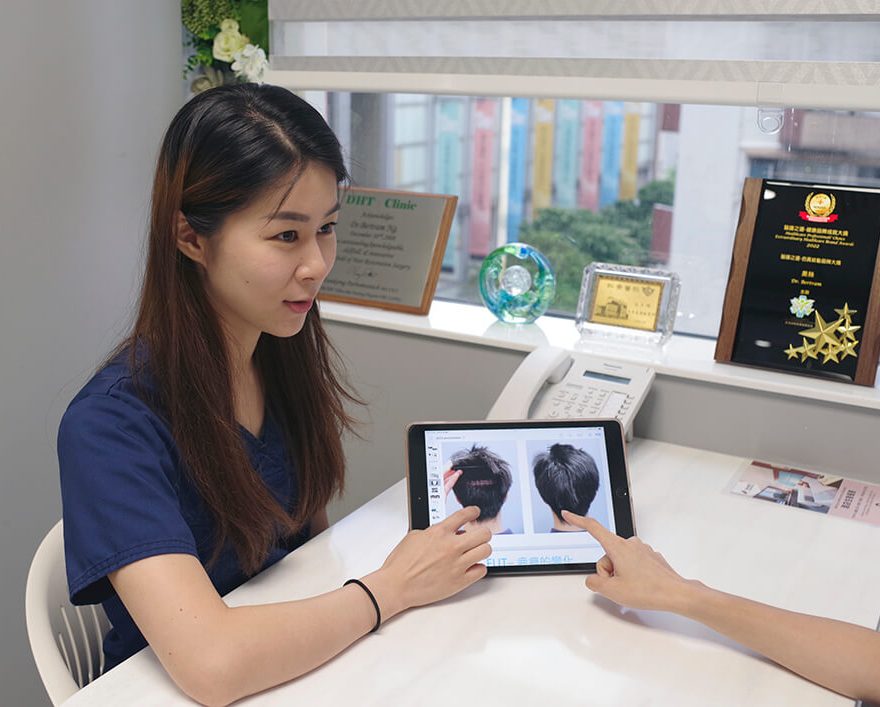
若您不適合植髮,何必要白付醫生診金?本中心「無悔植髮」流程的第一步,應先從免費的 WhatsApp 線上評估開始 – 助您判斷植髮是否解決閣下脫髮問題的合理選擇。

仍有疑問?

若希望獲得本中心醫療團隊針對您個人情況提供意見,歡迎透過下方表單聯絡我們。我們將盡快與您聯繫。
美絲植髮品質與安全標準

本中心嚴格遵循國際植髮組織所制定的臨床指引:

ISHRS 國際植髮醫學會

ISHRS 是制定國際植髮技術標準與患者安全規範的最具權威植髮醫學協會。

ABHRS 美國植髮認證委員會

ABHRS 代表全球植髮領域最高專業認證標準,醫師必須通過考核才能獲取會員資格。

WFI 世界微創技術研究院

WFI 專注於研發、改良、監察、以及推廣 FUE 微創植髮技術的國際性教育機構。

This site is registered on wpml.org as a development site. Switch to a production site key to remove this banner.